Crochet Color Scheme Generator
Build a color palette and preview it as stripes, color blocks, or granny squares before buying yarn. Pick your own colors, enter hex codes, or start from a curated palette.
Build Your Color Scheme
Add 2–6 colors and preview them as stripes, color blocks, or granny squares. Click a preset to start from a curated palette.
Preview
Preview shows how colors look in crochet stripe, color block, and granny square formats. Actual yarn colors depend on dye lot — always swatch before committing to a full project.
Crochet Color Combination Tips
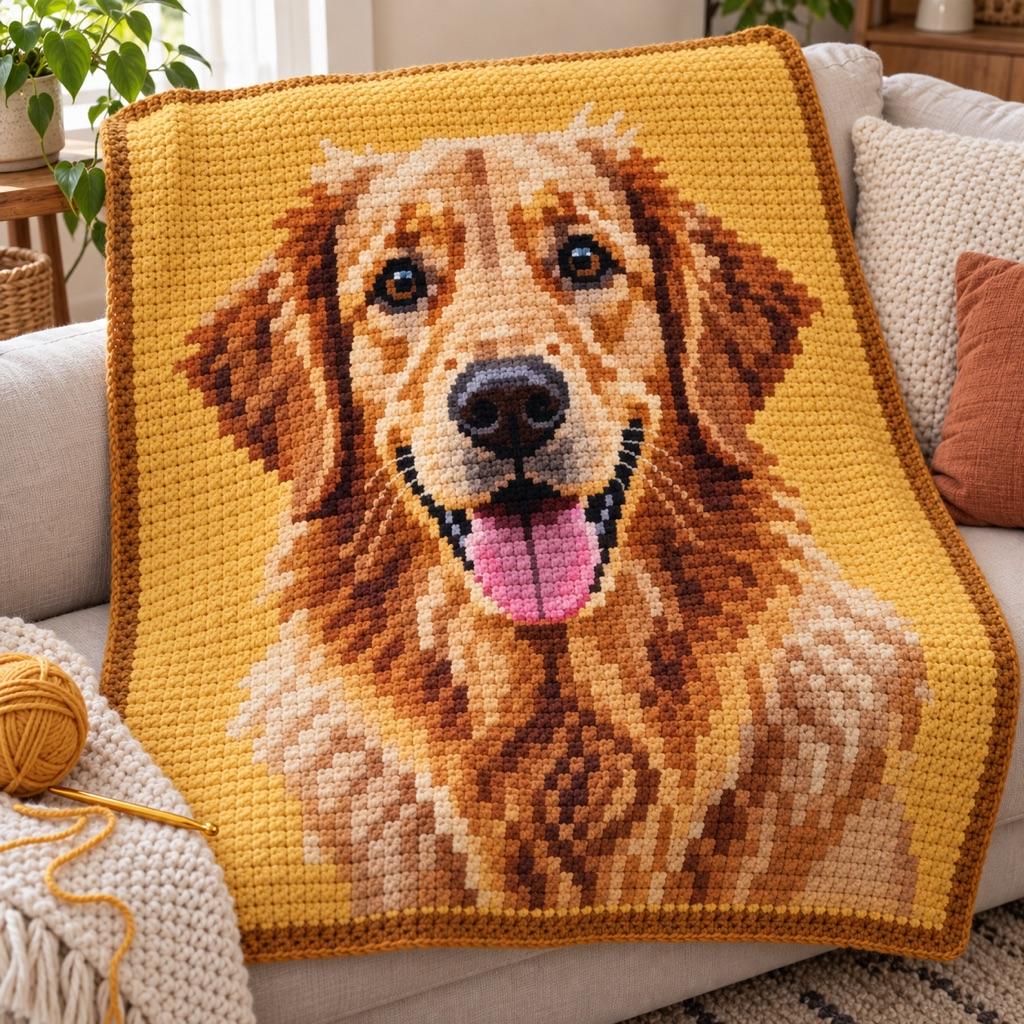
Turn a photo into a real pattern
Have your colors? Turn them into a full crochet chart — ArtPatt converts any photo into a graphghan, tapestry, or C2C pattern with your color palette.
Open Crochet GeneratorHow to Choose Crochet Color Combinations
Color combination choice is one of the most impactful decisions in a crochet project — and one of the hardest to reverse once you've started. The generator lets you test combinations visually before purchasing yarn. The three preview modes cover the most common crochet colorwork formats: stripes (horizontal rows of alternating color), color blocks (large sections of solid color, common in blankets and sweaters), and granny squares (concentric rounds, common in patchwork blankets and bags).
For stripes and blankets, value contrast matters more than hue. Value is the lightness or darkness of a color. Two colors that are similar in value (e.g., medium blue and medium green) will appear to blend together in a striped blanket — which can be a feature or a problem depending on the effect you want. High-contrast stripes (dark navy with cream, bright coral with white) read clearly from a distance. Low-contrast stripes create a softer, more gradient effect.
For granny squares, each concentric round is visible as a distinct color. Three to four colors work well — a dark outer border, a mid-tone main color, a light inner color, and an optional accent. The granny square preview shows how each color layer reads relative to the others.
Crochet Color Combination Ideas by Project Type
Color block blankets: two to three colors in large sections. Classic combinations — cream and rust, navy and natural, sage green and white — photograph well and work in both modern and traditional interiors. For a baby blanket, soft pastels in two or three shades of the same color family (blush + light pink + white) read as cohesive without being visually loud.
Striped blankets: four to six colors work well for rainbow-style or seasonal blankets. For a planned stripe sequence, alternate light and dark values so each stripe boundary is visible. Temperature blankets use one color per temperature range — typically seven to ten colors — and benefit from a consistent value gradient (lightest = coldest or hottest, depending on the maker's preference). Color block sweaters: the main body and sleeves in a single neutral, with contrast yoke, cuffs, and hem. Common pairs: cream body with terracotta yoke, charcoal body with mustard accents.
Crochet Color Scheme Generator FAQ
Related Tools and Pages
Crochet Pattern Generator
Convert any photo into a crochet colorwork chart with yarn color matching.
Graphghan Pattern Generator
Generate a crochet graphghan chart from any photo.
Crochet Letter Pattern Generator
SC and C2C crochet letter patterns for graphghan text and names.
Find DMC Color
Find the closest DMC embroidery thread for any hex color.
Yarn Weight Converter
Convert yarn weight names across US, UK, and Australian naming systems.