Yarn Weight Chart & Converter
All eight Craft Yarn Council yarn weights, 0 Lace to 7 Jumbo, with UK and Australian names, wraps per inch, hook and needle sizes and yardage in one chart. Download or print it, or use the converter to look up a single weight.
Yarn weight chart (Craft Yarn Council 0–7)
Swipe the table sideways to see all 8 columns.
| Weight number | Name (US) | UK | AU | WPI | Recommended hook (mm) | Knitting needle (mm) | Typical yards per 100 g |
|---|---|---|---|---|---|---|---|
| 0 | Lace | 1–2 ply / lace | 2 ply | 35+ | 1.4–2.25 mm | 1.5–2.25 mm | 600+ |
| 1 | Super Fine (fingering, sock) | 3–4 ply | 3–4 ply | 19–22 | 2.25–3.5 mm | 2.25–3.25 mm | 350–500 |
| 2 | Fine (sport, baby) | 5 ply | 5 ply | 15–18 | 3.5–4.5 mm | 3.25–3.75 mm | 300–350 |
| 3 | Light (DK, light worsted) | DK | 8 ply | 12–14 | 4.5–5.5 mm | 3.75–4.5 mm | 220–300 |
| 4 | Medium (worsted, aran) | Aran | 10 ply | 9–11 | 5.5–6.5 mm | 4.5–5.5 mm | 170–220 |
| 5 | Bulky (chunky) | Chunky | 12 ply | 7–8 | 6.5–9 mm | 5.5–8 mm | 100–170 |
| 6 | Super Bulky (roving) | Super chunky | 14 ply | 5–6 | 9–15 mm | 8–12.75 mm | 50–100 |
| 7 | Jumbo | Jumbo | 16 ply+ | 4 or fewer | 15 mm+ | 12.75 mm+ | Under 50 |
Hook and needle ranges follow the Craft Yarn Council standard. WPI and yardage are typical ranges — brands vary, so confirm with the label and a swatch.
Yarn Weight Converter
Convert common yarn weight labels into the closest US and UK/Australia equivalents, then use the typical gauge and hook or needle ranges as a shopping and planning reference.
Formula: weight label → closest international equivalent + typical gauge range
Results
US Name
DK
- UK / AU Name
- 8 ply
- Common Names
- Double knitting, light DK
- Wraps per Inch
- 12–14
- Typical Knitting Gauge
- 21-24 sts / 10cm
- Typical Needle Size
- 3.75–4.5 mm
- Typical Crochet Hook
- 4.5–5.5 mm
Yarn weight naming is approximate, not perfectly standardized. Always check the label gauge and knit or crochet a swatch before starting a real project.
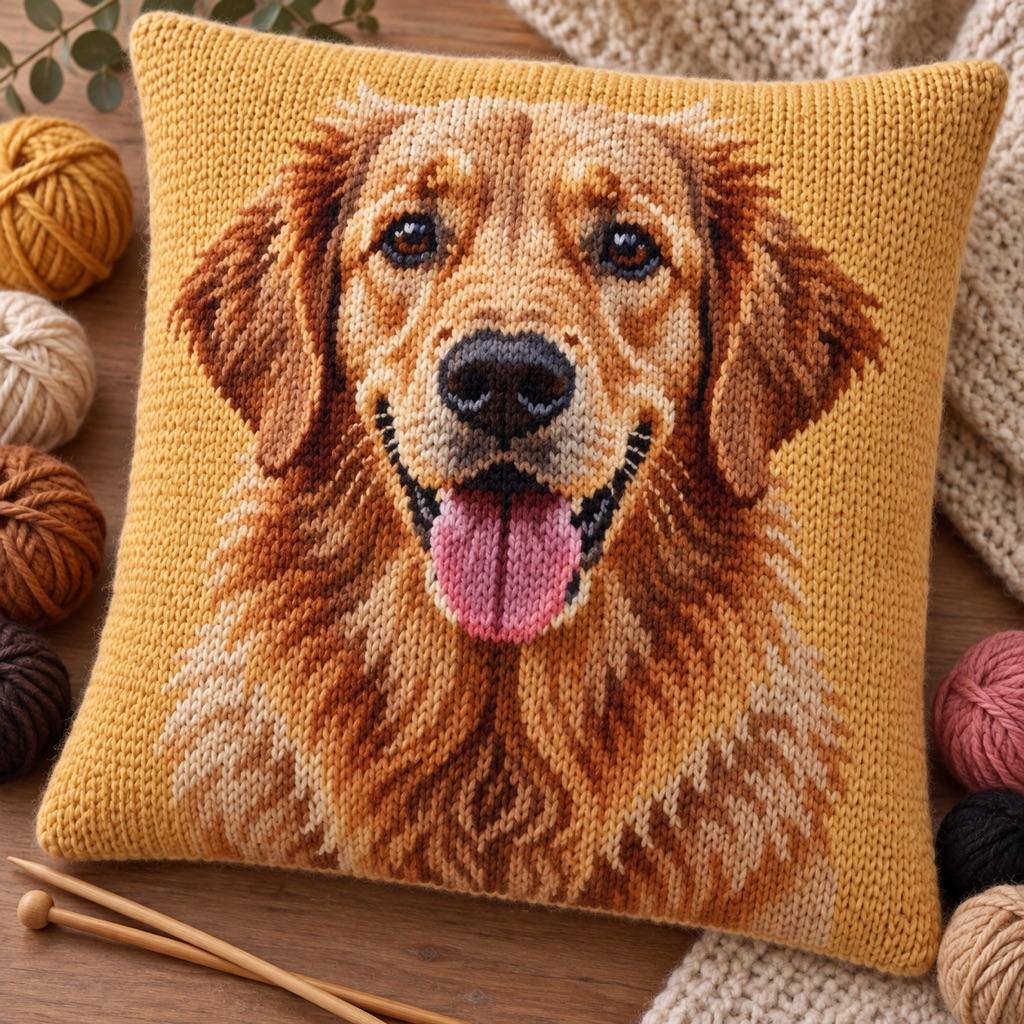
Turn a photo into a real pattern
Once you know the yarn weight range you want, move into the full generator and build the actual chart with a more realistic project setup.
Open Knitting GeneratorYarn weight gauge and what to make with each
The gauge range on the label tells you the weight even when the name is unfamiliar. Count the stitches over 4 in on the label's swatch box and find the row it falls in.
| Weight | Knit gauge (sts / 4 in) | Crochet gauge (sc / 4 in) | Typical projects |
|---|---|---|---|
| 0 Lace | 33–40 | 32–42 dc | Lace shawls, doilies |
| 1 Super fine | 27–32 | 21–32 | Socks, baby clothes, fine shawls |
| 2 Fine | 23–26 | 16–20 | Baby items, light sweaters |
| 3 Light (DK) | 21–24 | 12–17 | Sweaters, baby blankets, colorwork |
| 4 Medium (worsted, aran) | 16–20 | 11–14 | Blankets, hats, sweaters, amigurumi |
| 5 Bulky | 12–15 | 8–11 | Quick blankets, scarves, outerwear |
| 6 Super bulky | 7–11 | 7–9 | Chunky throws, rugs, fast hats |
| 7 Jumbo | 6 or fewer | 6 or fewer | Arm knitting, giant throws |
Gauge ranges are the Craft Yarn Council standard over 4 in (10 cm). Your own gauge decides the fit — swatch before a garment.
Yarn weight conversion: holding strands together
No yarn in the weight a pattern asks for? Hold two or three strands of a thinner yarn together and work them as one.
| Strands held together | Works up like | Try needle / hook |
|---|---|---|
| 2 × lace | Fingering | 2.75–3.25 mm |
| 2 × fingering | Sport to DK | 3.5–4.5 mm |
| 2 × sport | Worsted | 4.5–5 mm |
| 2 × DK | Aran / heavy worsted | 5–6 mm |
| 2 × worsted | Bulky (chunky) | 6.5–8 mm |
| 3 × worsted | Super bulky | 9–10 mm |
| 2 × bulky | Super bulky | 9–12 mm |
Two strands roughly add 1½ weight steps, not exactly two. Yarns with more air (brushed, woollen-spun) bulk up more than tightly plied ones. Swatch the doubled yarn before you start.
Yarn Weight Chart — Lace Through Jumbo
Yarn weight is the standardized measure of yarn thickness. The Craft Yarn Council scale runs 0 (lace) through 7 (jumbo), with each step corresponding to a typical gauge range, recommended needle/hook size, and wraps-per-inch (WPI) range. Labels in the US almost always list the symbol; UK and Australian labels often use ply naming instead.
Reference chart: 0 Lace (≥35 WPI, 1.5–2.25mm needles), 1 Super Fine / Fingering / 4 ply (19–22 WPI, 2.25–3.25mm), 2 Fine / Sport (15–18 WPI, 3.25–3.75mm), 3 Light / DK / 8 ply (12–14 WPI, 3.75–4.5mm), 4 Medium / Worsted / 10 ply (9–11 WPI, 4.5–5.5mm), 5 Bulky / Chunky / 12 ply (7–8 WPI, 5.5–8mm), 6 Super Bulky (5–6 WPI, 8–12.75mm), 7 Jumbo (<5 WPI, 12.75mm+).
Use this yarn weight chart before you buy yarn, before you substitute yarn in a pattern, and before you start a swatch for a chart-based project. For the exact needle or hook in each range, including old UK and Japanese numbers, see the knitting needle size chart and the crochet hook size chart.
How to Measure Yarn Weight with WPI (Wraps Per Inch)
If a label is missing or in a language you cannot read, wraps per inch (WPI) is the most reliable way to measure yarn weight at home. Wrap the yarn around a ruler for one inch without stretching, count the wraps, and compare to the chart.
WPI reference: 35+ = lace, 19–22 = fingering / 4 ply, 15–18 = sport, 12–14 = DK / 8 ply, 9–11 = worsted / 10 ply, 7–8 = aran to bulky, 5–6 = super bulky, under 5 = jumbo. A WPI tool — a notched wooden stick or metal gauge — makes the count easier, but a plain ruler works.
WPI is approximate. Fiber content, twist, and construction change how a yarn behaves even at the same WPI. For a critical substitution (garments, gauge-sensitive patterns), knit or crochet a 10cm swatch and compare your gauge to the label range. For stash-dive projects, WPI plus a swatch is enough.
Yarn Weight FAQ
Look for the numbered skein symbol (0 = lace, 7 = jumbo) and the gauge swatch box that lists stitches per 10cm and recommended needle/hook size. These two values together identify the weight category. UK and AU labels may use ply naming (4 ply, 8 ply, etc.) instead of the numeric symbol.
Use wraps per inch (WPI). Wrap the yarn around a ruler for one inch without stretching and count the wraps: 35+ = lace, 19–22 = fingering, 15–18 = sport, 12–14 = DK, 9–11 = worsted, 7–8 = aran to bulky, 5–6 = super bulky, under 5 = jumbo.
Commercially, yarn is classified into 8 weight categories (0–7) by the Craft Yarn Council based on gauge, needle/hook size, and WPI. At home, the easiest measurement is WPI with a ruler. Labels also include meterage per gram (e.g., 200m/100g) which indirectly reflects thickness — higher meterage per gram = thinner yarn.
No — it's approximate. Yarn weight names overlap between brands, and actual gauge varies with fiber, twist, and construction. Use the converter as a fast reference, then confirm with the label gauge and a swatch.
They are very close and often confused. Aran is usually slightly heavier (8 WPI / 16–18 sts per 10cm) than worsted (9–11 WPI / 16–20 sts per 10cm), but many brands and patterns treat them as near-neighbors. Always check gauge if fit matters.
Not perfectly. Ply naming (4 ply, 8 ply, 10 ply, 12 ply) is a UK/AU shortcut that historically referred to the number of individual strands twisted together. Modern yarn construction means ply is not a strict mathematical system — it is still useful as a practical label family, not an exact measurement.
WPI stands for Wraps Per Inch — the number of times a yarn wraps around a ruler in one inch of space without stretching. It is the most reliable at-home method for measuring yarn weight when a label is missing.
Related Tools and Pages
WPI Calculator
Wrap yarn around a ruler, count the wraps, get the matching yarn weight category, gauge, and recommended hook/needle size in one click.
How to Find Yarn Weight
Detailed guide: reading labels, measuring WPI, pulling the skein end, and identifying yarn when the label is missing.
Yarn Substitution Calculator
Find equivalent yarns for any pattern by matching meterage, weight, and fiber content.
Crochet Yarn Calculator
Estimate total yarn and skeins once you know the chart size and stitch type.
Knitting Gauge Calculator
Convert chart dimensions into finished size using your real stitch and row gauge.
Crochet Hook Size Chart
US, UK, and metric hook sizes with typical yarn weight pairings.
Knitting Needle Size Chart
US, UK, and metric needle sizes with typical yarn weight pairings.