Knitting Needle Sizes — US to Metric (mm) Conversion
Complete reference chart for knitting needle sizes with US number names, metric millimeter sizes, and compatible yarn weights. Select your yarn weight to highlight the right needles.
Recommended needle for Worsted: 4.5–5.5 mm
| Metric (mm) | US Size | Yarn Weight |
|---|---|---|
| 1.5 mm | US 000 | Lace / fine thread |
| 1.75 mm | US 00 | Lace weight |
| 2 mm | US 0 | Lace / fingering |
| 2.25 mm | US 1 | Fingering / sock |
| 2.75 mm | US 2 | Fingering / sport |
| 3.25 mm | US 3 | Sport weight |
| 3.5 mm | US 4 | Sport / DK |
| 3.75 mm | US 5 | DK weight |
| 4 mm | US 6 | DK / light worsted |
| 4.5 mm | US 7 | Worsted weight |
| 5 mm | US 8 | Worsted weight |
| 5.5 mm | US 9 | Worsted / aran |
| 6 mm | US 10 | Aran weight |
| 6.5 mm | US 10½ | Aran / bulky |
| 8 mm | US 11 | Bulky weight |
| 9 mm | US 13 | Bulky weight |
| 10 mm | US 15 | Super bulky |
| 12 mm | US 17 | Super bulky |
| 15 mm | US 19 | Jumbo weight |
| 19 mm | US 35 | Jumbo weight |
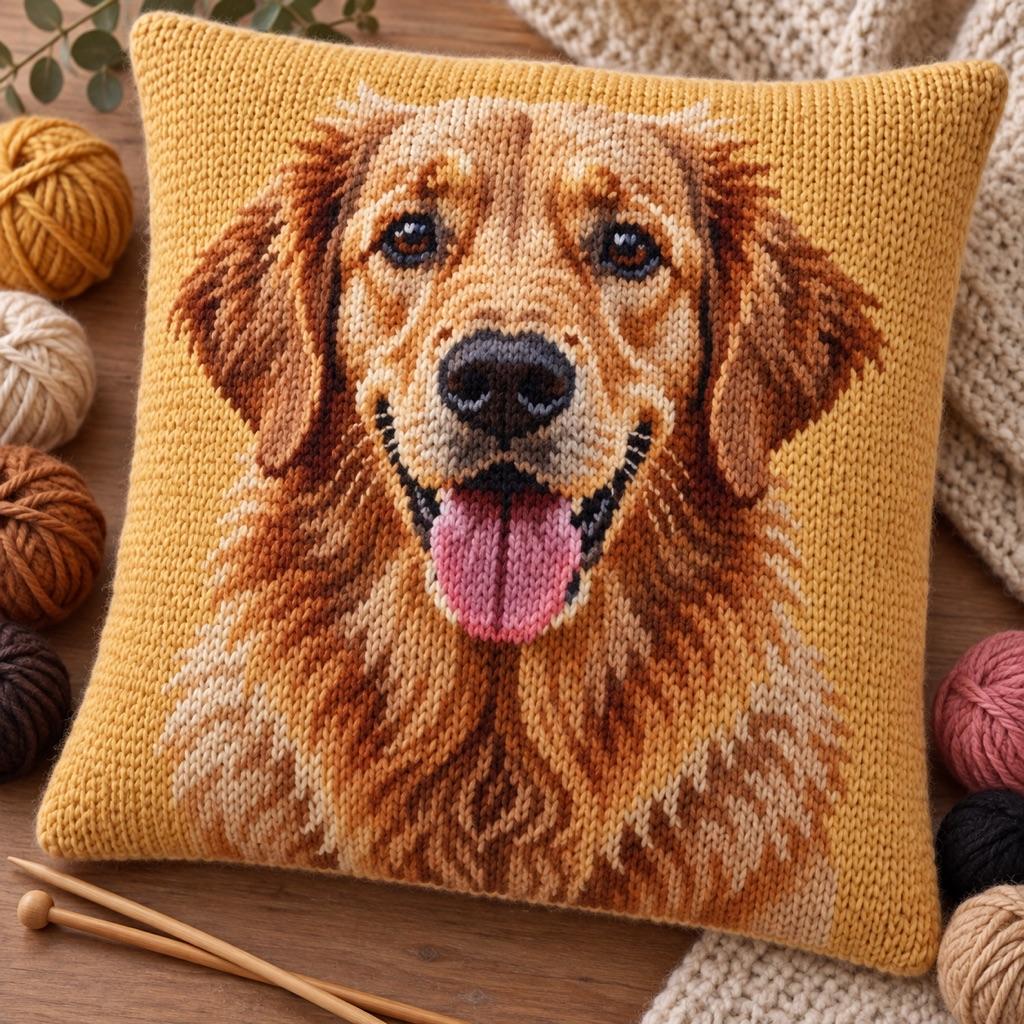
Turn a photo into a real pattern
Once you have the right needles, convert any photo into a knitting chart — with stockinette ratio correction and yarn estimates built in.
Open Knitting GeneratorUS vs Metric Knitting Needle Sizes
US knitting needle sizes use a number system (0 through 35) that increases with size — but the numbers don't directly correspond to millimeters. A US 8 needle is 5.0mm, a US 10 is 6.0mm, and a US 10½ is 6.5mm. The fractional sizes (10½) are a legacy of the older US system and have no clean metric equivalent. For anything beyond basic pattern-following, always work with the millimeter size.
UK and Canadian needles use yet another system — UK sizes run in the opposite direction to US (UK 12 = US 1 = 2.75mm, UK 000 = US 15 = 10mm). If you have older patterns from British publications or inherited needles without metric labels, check the mm size with a needle gauge tool before using them. This chart covers US and metric only.
Needle material affects gauge. Metal needles are faster and slippery — yarn slides easily, which is great for smooth yarns but can cause dropped stitches with slippery fibers. Wooden and bamboo needles have more grip — better for beginners, slippery yarns (silk, bamboo), and lace projects where you don't want stitches sliding off. Circular needles in any material can be used for both flat and in-the-round knitting.
Choosing the Right Needle Size for Your Project
Gauge is why needle size matters. Gauge is the number of stitches and rows per 10cm in a knitted swatch. If a pattern calls for 20 stitches per 10cm and you're getting 22, your gauge is too tight — go up one needle size. If you're getting 18 stitches, your gauge is too loose — go down. For scarves and blankets where exact size isn't critical, gauge matters less. For fitted garments, gauge determines whether the finished piece fits.
For colorwork knitting (Fair Isle, intarsia), many knitters go up one needle size from their gauge needle. Colorwork tends to create a tighter fabric because you're carrying yarn strands at the back — going up one size compensates and produces correct gauge. ArtPatt's Fair Isle and intarsia pattern generators apply the correct 1.3:1 stockinette row-to-stitch ratio automatically, so the chart proportions match the finished knit piece regardless of yarn weight.
Knitting Needle Size FAQ
Related Tools and Pages
Knitting Pattern Generator
Convert any photo to a knitting chart with correct 1.3:1 stockinette row-to-stitch ratio and yarn estimates.
Fair Isle Knitting Pattern Generator
Generate two-color stranded colorwork charts from photos with float yarn estimates.
Knitting Gauge Calculator
Calculate finished knitting dimensions from stitch count and gauge.
Yarn Weight Converter
Convert between US, UK, and metric yarn weight names.
Crochet Hook Size Chart
Complete crochet hook size reference with US to metric conversion.