Convert Wraps Per Inch into Yarn Weight
Wrap your yarn around a ruler for one inch without stretching, count the wraps, and the calculator returns the yarn weight category with gauge, needle, and hook ranges.
WPI (Wraps Per Inch) Calculator
Wrap your yarn around a ruler for one inch without stretching, count the wraps, and enter the number below. The calculator returns the matching yarn weight category, gauge range, and recommended hook and needle sizes.
Formula: wraps per inch → yarn weight category (CYC 0–7)
Results
Yarn Weight (US)
DK
- UK / AU Name
- 8 ply
- Common Names
- Double knitting, light DK
- WPI Range for this Weight
- 12–14
- Typical Knitting Gauge
- 21-24 sts / 10cm
- Recommended Needle Size
- 3.75–4.5 mm
- Recommended Crochet Hook
- 4.5–5.5 mm
WPI is approximate. Fiber, twist, and construction change how a yarn behaves at the same WPI. Always confirm with a 10cm gauge swatch before substituting yarn in a gauge-sensitive pattern.
What a WPI measurement tells you
Wraps per inch is a practical starting point when a yarn label is missing or uses an unfamiliar naming system. Use the result to narrow your pattern search, then make a swatch because fiber, twist, and tension still determine the finished fabric.
- Closest CYC yarn-weight category from your wrap count
- US, UK, and Australian naming so patterns are easier to compare
- Starting gauge, hook, and needle ranges for the next swatch
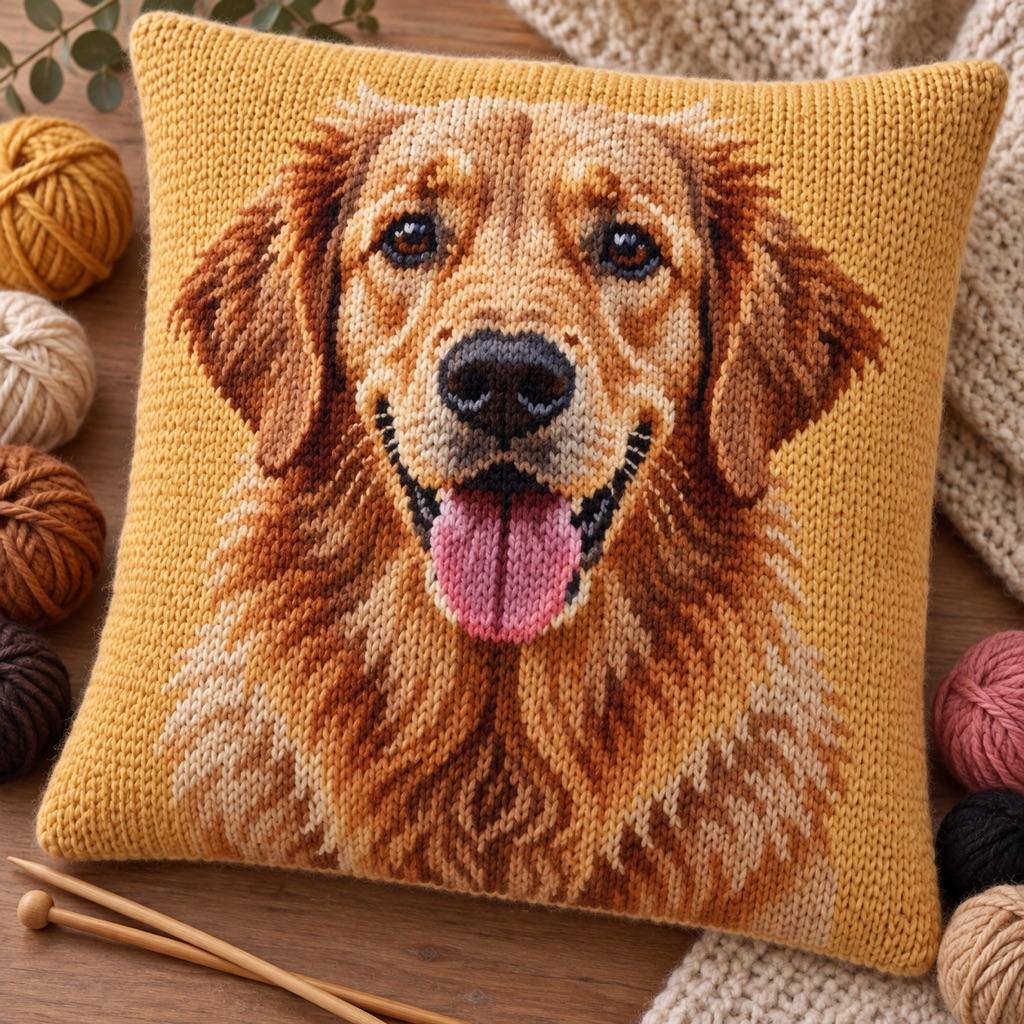
Turn a photo into a real pattern
Once you know the weight from your WPI count, plan the actual project — gauge, dimensions, and yarn quantity.
Open Knitting Gauge CalculatorWhat is WPI (Wraps Per Inch)?
WPI stands for Wraps Per Inch — the number of times a strand of yarn wraps around a ruler in one inch of space without stretching. It is the most reliable at-home method for measuring yarn weight when the label is missing, the language is unfamiliar, or you are working from stash.
WPI works because thicker yarns occupy more horizontal space per wrap. A lace-weight yarn fits 18+ wraps into one inch; a worsted fits about 9–10; a chunky bulky fits 7. The Craft Yarn Council (CYC) standardizes these bands into 8 weight categories (0 lace through 7 jumbo).
Use this WPI calculator to skip the chart lookup. Enter your wrap count, get the matching weight, the closest UK / Australian ply name, the typical gauge range, and the recommended hook and needle sizes in one place.
To see every category side by side — CYC number, US, UK and AU names, WPI, hook and needle sizes, and typical yardage — open the full yarn weight chart.
How to Measure WPI Correctly
Wrap the yarn around any ruler — a standard 12 inch ruler, a knitting needle gauge with a ruler edge, or a dedicated WPI tool. Wrap snugly so wraps touch but do not overlap. Do not stretch the yarn. Stretching adds wraps and reads thinner than the yarn really is.
Count the wraps within one full inch. Whole numbers are usually enough. If the count falls between two bands (for example, 13 wraps), the yarn is between sport and DK — note both options and confirm with a swatch.
WPI is approximate. Two yarns at the same WPI can knit to different gauges depending on fiber, twist, and ply construction. Use the WPI result as a shopping and starting reference, then knit a 10cm gauge swatch before committing to a gauge-sensitive project.
WPI Calculator FAQ
WPI stands for Wraps Per Inch — the number of times a yarn wraps around a ruler in one inch of space without stretching. It is the most reliable at-home method for measuring yarn weight when a label is missing.
Use any ruler. Wrap the yarn snugly (touching but not overlapping, not stretched) for one inch and count the wraps. A pencil, knitting needle, or wooden dowel marked with a one-inch span all work as wrapping bases.
18+ WPI = lace, 14–18 = fingering / sock / 2–4 ply, 12–13 = sport / 5 ply, 11 = DK / 8 ply, 9–10 = worsted / 10 ply, 8 = aran, 7 = bulky / chunky / 12 ply, 5–6 = super bulky, under 5 = jumbo.
No — WPI is approximate. Yarns with different fiber content, twist, or construction can read at the same WPI but knit or crochet to different gauges. WPI gets you the right weight category; a 10cm swatch confirms the actual gauge for your project.
Three common reasons: (1) you stretched the yarn while wrapping, which inflates the count; (2) the wraps overlapped, which deflates the count; (3) the yarn is between two CYC bands and the brand chose the closer of the two. Re-wrap once or twice and average the result.
Not reliably. Boucle, chenille, and other heavily textured yarns compress unevenly and the wrap count varies depending on where you wrap. For textured yarn, trust the label gauge or knit a swatch instead of WPI.
Commercially, yarn is classified into 8 weight categories (CYC 0 lace through 7 jumbo) by gauge, needle/hook size, and WPI. Labels also include meterage per gram (e.g., 200m / 100g), which indirectly reflects thickness — higher meterage per gram means thinner yarn.
Related Tools and Pages
Yarn Weight Chart & Converter
Full chart of all 8 yarn weights across US, UK, and AU naming, with gauge and needle/hook ranges.
How to Find Yarn Weight
Detailed guide to reading labels, measuring WPI, pulling the skein end, and identifying yarn when the label is missing.
Knitting Gauge Calculator
Convert chart dimensions into finished size using your real stitch and row gauge.
Crochet Hook Size Chart
US, UK, and metric hook sizes paired with the typical yarn weight that suits each.
Knitting Needle Size Chart
US, UK, and metric needle sizes paired with the typical yarn weight that suits each.
Yarn Substitution Calculator
Find equivalent yarns for any pattern by matching meterage, weight, and fiber content.