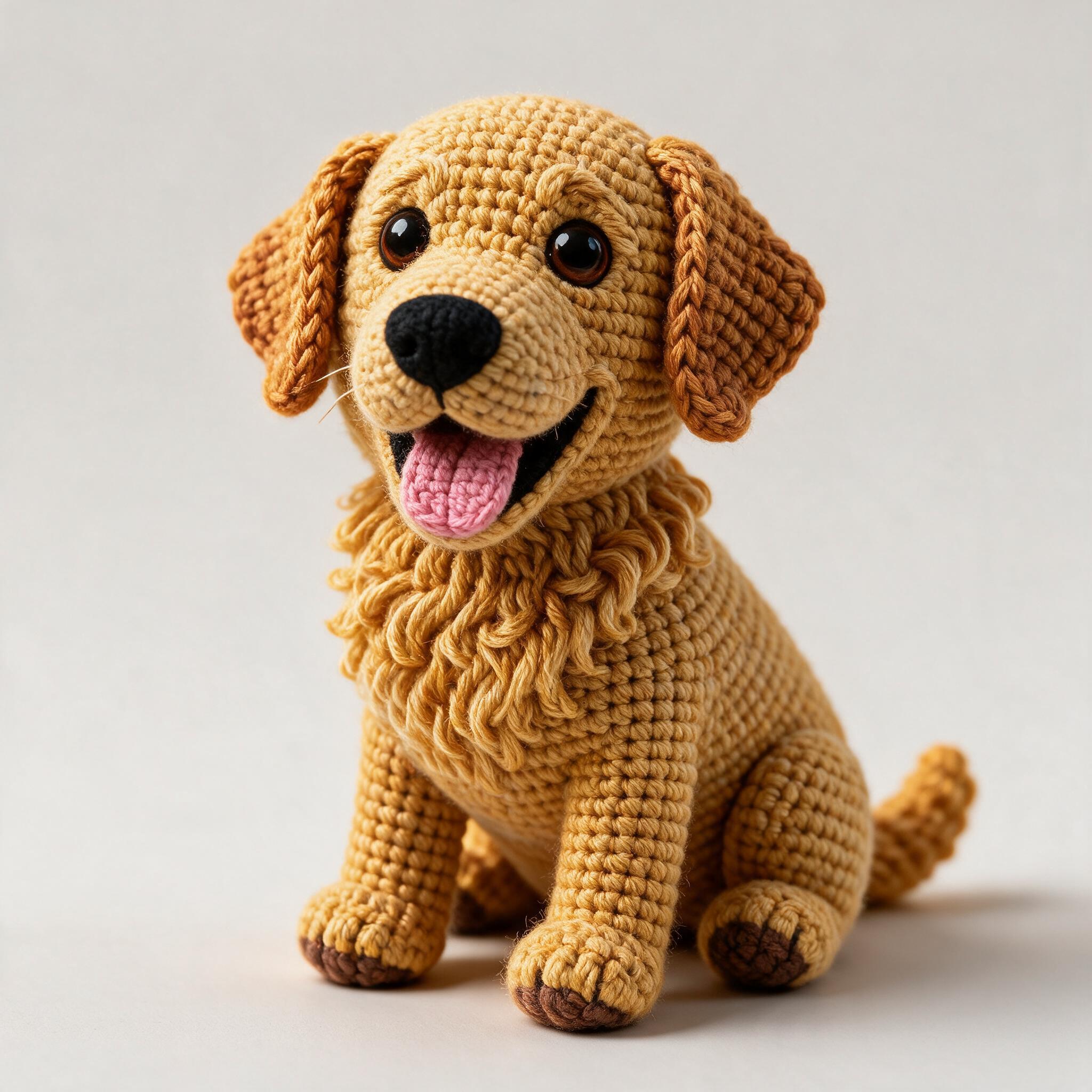
Crochet Color Change: How to Switch Colors in Single Crochet, Rounds, and Tunisian

Quick Answer
How to change color in crochet — switching yarn colors in single crochet, changing colors in the round (jogless join), Tunisian color change, carrying yarn across rows, granny squares, and following a photo-based chart. Clear steps for each technique.
How to Change Color in Single Crochet (The Standard Method)
The standard color change in single crochet happens on the last yarn-over of the stitch before the new color begins. Work a single crochet until the final step: insert hook, pull up a loop — two loops on hook. Instead of completing the stitch with the old color, drop the old yarn and yarn-over with the new color. Pull the new color through both loops to complete the stitch. The new color is now active and you continue with it. The key is that the color swap happens on the completing yarn-over, not at the start of the next stitch. If you change on the wrong step, the old color bleeds into the row above. The old yarn tail can be crocheted over as you work the next few stitches, or left to weave in later — either approach works.
Crochet Color Change in the Round — The Jogless Join
Changing color in the round creates a visible 'jog' — a one-stitch step where the last stitch of the old color sits lower than the first stitch of the new color. The standard fix is the jogless join. When you reach the end of a color round, join with a slip stitch as usual. Before starting the new color's first stitch, insert your hook into the front loop only of the last stitch of the old color (the stitch just before your current position), draw up a loop of the new color, and use that as your first loop. Then work your first chain (for a turning chain) or begin your first stitch directly. This effectively raises the first stitch of the new round by one row, hiding the jog. It takes practice to position correctly but becomes automatic within a few projects.
Seamless Crochet Color Change: How to Switch Colors Invisibly
A truly seamless color change — where the color transition is invisible from both sides — requires slightly different handling depending on the stitch. For single crochet worked flat, the standard method (yarn-over on the last loop) produces a visible but tidy line on the wrong side. To minimize it on the right side: keep your tension even, weave in the tails along the back of the color boundary rather than diagonally across it, and consider using a planned color pooling arrangement so color changes align with the natural pooling of variegated yarn. For amigurumi and flat rounds where a seamless look matters most, the invisible join (used at the end of a round) combined with the jogless join start produces the least visible transition.
Tunisian Crochet Color Change
Tunisian crochet has two phases: the forward pass (picking up loops) and the return pass (working them off). Color changes in Tunisian work differently depending on which pass you change on. For a clean row stripe: change color at the end of the return pass, just before starting the next forward pass. Complete the return pass with the old color until one loop remains. Yarn-over with the new color and pull through to complete. Begin the next forward pass with the new color. This places the color boundary at the correct visual row. Changing mid-forward-pass is also possible for vertical or diagonal colorwork — the principle is the same: change on the last yarn-over before the new section begins.
Moss Stitch Crochet Color Change
Moss stitch (also called linen stitch or granite stitch) alternates single crochet and chain-1 spaces across the row. Color changes in moss stitch should always happen on the completing loop of the last single crochet before the break — same rule as standard single crochet. Because moss stitch has natural texture from the chain gaps, the color boundary blends more naturally than in plain single crochet, especially in chunky yarns. For horizontal stripes in moss stitch, change at the end of every second row (moss stitch typically needs two rows per full visual row to keep the pattern aligned). For vertical colorwork within moss stitch, carry the unused color loosely behind the chain-1 gaps — the gaps naturally hide the carried strand.
Switching Colors in Crochet: Carrying vs Cutting Yarn
When you alternate between two colors every few rows (stripes), you can cut and rejoin the yarn each time or carry it up the side of the work. Carrying is faster: after the last stitch of a row with color A, bring color B up from below and complete the color change. Leave color A hanging and pick it up again when you need it. Every 2–4 rows, catch the carried strand by crocheting over it for one or two stitches to keep it taut against the edge. This technique produces a neat edge on one side (the side you turn toward) and a slightly looser edge on the other. For wide color blocks or when colors change infrequently, cutting and rejoining is cleaner because carrying across many rows creates tension problems.
Changing Yarn Color in Crochet: Tips for Cleaner Results
Three consistent problems with crochet color changes and how to fix them. Loose tension at the join: pull the new color through firmly on the first stitch after the change, then relax into your normal tension. A too-firm join stays visible; a too-loose join also stays visible. Practice the single joining stitch as a separate motion. Color bleeding to the wrong row: you changed on the wrong step. The change must happen on the completing yarn-over of the last stitch before the new color — not at the beginning of the first stitch in the new color. Count your yarn-overs and find where the change belongs. Tails coming loose: weave in tails along the color boundary using a tapestry needle in a figure-eight or woven pattern (not just straight back the way they came). Lock the end by splitting one or two plies of the yarn. For acrylic and synthetic fibers, a small dab of fabric glue at the woven tail adds extra security for items that will be washed repeatedly.
Color Changes in Granny Squares and Motifs
Granny squares often use multiple colors in the same round or between rounds. For a clean join at the start of a new color in a motif: join with a slip stitch into the designated corner chain space, then chain the required number before starting the first cluster. The slip stitch join hides between the corner chains and is nearly invisible when the work is laid flat. For color changes between rounds in solid granny squares: complete the last stitch of the outgoing round, join with a slip stitch into the starting chain as usual, then use a standing single crochet to begin the next round in the new color. A standing single crochet eliminates the turning chain entirely — make a slip knot in the new color, place on hook, insert hook into the starting stitch, draw up a loop, yarn-over with the new color, and pull through both loops. This gives a cleaner start than chaining up and avoids the 'chain gap' at the beginning of rounds that shows on finished granny squares.
Planning Color Changes for Stripe Patterns
Horizontal stripe crochet requires knowing in advance how many rows each color will span and whether you will cut the yarn or carry it. For narrow stripes (1–2 rows per color), always carry — cutting and rejoining every 2 rows adds an enormous number of yarn tails to weave in. Carry unused colors up the edge by crocheting over them for 2–3 stitches at the start of each row. For wide stripes (4+ rows), cutting and rejoining is cleaner and produces a flatter edge without the slight thickening that carrying produces. For a pattern where you know the stripe sequence in advance: lay out the pattern on graph paper before starting and mark exactly which row each color change lands on. This prevents the frustrating situation of finishing a project and realizing the last stripe is 3 rows shorter than the first because row counts drifted over the length of the piece. A crochet color chart generator like ArtPatt can show you exactly where color boundaries fall relative to a photo or design, making stripe planning visual rather than purely numerical.
Changing Colors While Following a Photo-Based Crochet Chart
When you work from a photo-generated crochet chart — tapestry crochet, graphghan, C2C, or single crochet colorwork — every cell on the grid is a potential color change. The technique rules above still apply, but the planning question is different: which changes do you carry across the row, which do you cut, and how do you avoid a chart that is technically correct but miserable to stitch. Start with the chart's color count. A photo-generated chart with 8–12 colors per row is unworkable in tapestry crochet — you cannot reliably carry more than 2–3 colors without the back becoming bulky and the tension drifting. Use the confetti reduction setting in ArtPatt's crochet pattern generator to collapse isolated single-cell color runs before you commit to the chart. Set the color count limit to what your technique actually supports: 4–6 total colors for tapestry, 2–3 active at any time. Second: read the chart per row, not per column. For each row, identify which color is active at the start and where each change lands. Mark the rows where you cut vs. carry. For tapestry crochet and single crochet colorwork, carry the inactive color across the row by crocheting over it — the color disappears inside the stitch and is picked up again when you need it. This only works for 2 active colors at a time; more than that and the carry becomes visible. For intarsia-style crochet (large separate color blocks), cut each color at the end of its block and use small bobbins for each section. Third: use a row counter. Color-change mistakes are almost always row-count drift. Track every row on a physical counter or a digital stitch counter app so the color change lands exactly on the chart row, not one or two rows off. ArtPatt's chart includes row numbers and per-color stitch counts to make this easier.
Single Crochet Color Change — Quick Reference
A single crochet color change always happens on the last yarn-over of the stitch before the new color: insert hook, yarn-over and pull up a loop (2 loops on hook), then drop the old yarn and yarn-over with the new color to pull through both loops. The new color is now active for the next stitch. Same rule whether you are switching colors in single crochet, half double, or double crochet — change on the completing yarn-over of the previous stitch. The most common single crochet color change mistake is changing one stitch too late: the old color bleeds into the first stitch of the new section. Count the stitches in the row, identify the exact stitch before the change, and complete its yarn-over with the new color.
How to Change Color in Tunisian Crochet
Tunisian crochet has a forward and a return pass per row, and the cleanest way to change color in Tunisian crochet is at the end of the return pass. Work the return pass with the old color until one loop remains on the hook, yarn-over with the new color, and pull through that final loop. Begin the next forward pass with the new color. This places the color boundary at the visual top of the row instead of mid-stitch. For vertical or diagonal Tunisian colorwork, change on the last yarn-over before the new section starts in the forward pass — same principle, just applied mid-row.
How to Switch Color in Crochet (Thread or Yarn)
How to switch color in crochet, how to change thread color in crochet, how to change crochet colors — they all describe the same technique: change on the completing yarn-over of the last stitch before the new color, not at the start of the next stitch. The rule is identical for crochet thread (size 10 cotton, embroidery floss for crochet, fine acrylic) and standard yarn — finer thread just makes the join less visible because the strand is thinner. For thread crochet, secure the cut tail with a needle-and-thread weave plus a tiny dot of clear-drying fabric glue; thread tails are too smooth to lock with weaving alone.
Crochet Color Change FAQ
How do you change color in crochet? Change on the completing yarn-over of the stitch before the new color — drop the old yarn, yarn-over with the new color, pull through to finish the stitch. The new color is now active. How do you change color in crochet in the round? Use the jogless join: when the new round starts, work into the front loop only of the previous round's last stitch, drawing up a loop of the new color. This raises the new color by one row and hides the visible step. How do you change colors crochet without a knot? Never knot the join — knots show on the front and create a hard bump. Leave 6-inch tails on both colors and weave them in with a tapestry needle along the color boundary in a figure-eight motion, splitting plies at the end to lock. How do you carry yarn when changing colors in crochet? Crochet over the unused color for 2–3 stitches at the start of each row to anchor it to the edge. Works for narrow stripes (1–2 rows per color); for wide stripes (4+ rows), cut and rejoin instead. How do I avoid color bleeding into the wrong row? Bleeding always means the change happened on the wrong yarn-over — at the start of the new color's first stitch instead of the completing loop of the previous color's last stitch. Count yarn-overs and find where the change actually belongs.
Joining a New Skein Mid-Color Without a Knot: The Magic Knot
Running out of yarn mid-color is a different problem from switching colors, but it comes up constantly in colorwork and deserves its own fix. The magic knot lets you join a new skein of the same color with zero visible bump and no loose ends to weave in later. Overlap the old and new yarn ends by about 5cm, crossing them into an X. Tie the left strand around the right strand once, like the start of a shoelace knot, and pull snug against the other strand — not into a bow, into a tight wrap. Then tie the right strand around the left strand the same way, snug against the first knot. Pull both knots tight against each other so they lock in place, then trim the short tails close to the knot (within 2–3mm) — the knot itself is small enough to pass through your next few stitches without being felt or seen. This only works cleanly for joining the same color to itself; for an actual color change, use the standard yarn-over method described above instead, since a magic knot between two different colors would show as a visible dot of the wrong color.
FAQ
How do I make a clean crochet color change?
Work the last yarn-over of the stitch before the color change with the new yarn. This places the new color at the top of the previous stitch and keeps the boundary aligned with the chart instead of leaving a visible loop of the old color.
Should I carry yarn or cut it at every crochet color change?
Carry yarn when the next use is close and the hidden strand will not make the fabric bulky or show through. Cut and rejoin when the gap is long, the unused color would be dragged across the back, or the project needs a cleaner reverse side.
How do I stop crochet color-change tails from showing?
Leave a practical tail, weave it through several stitches in different directions, and trim only after the fabric is stable. For tapestry crochet, hide carried yarn inside the stitch body and keep tension relaxed so the old color does not pull the edge inward.
Related Articles