How to Make a Graphghan: Photo to Crochet Blanket Step-by-Step
Quick Answer
Complete guide to making a graphghan — a crochet blanket with a pixel-art design. Covers image selection, grid sizing, SC ratio, color planning, row-by-row stitching, and finishing. For beginners and intermediate crocheters.
What Is a Graphghan?
A graphghan is a crochet blanket worked in single crochet (SC) colorwork — one stitch per square of a color chart, building up a pixel-art image row by row. The name is a portmanteau of "graph" (the grid chart) and "afghan" (the blanket). Graphghans became popular in the late 2010s through social media — the ability to turn any photo into a massive, one-of-a-kind blanket caught on quickly with crochet communities. A standard throw-size graphghan is roughly 120×160 stitches and takes 4-12 weeks to complete depending on skill level. The finished piece is functional (a real blanket you can use or gift) and highly personal (it's your photo, your pet, your favorite character). Most graphghan makers stitch in front of a TV or podcast — it's a rhythm-intensive craft that pairs well with entertainment.
Choosing the Right Image
The best graphghan images have strong contrast, a clear subject that fills the frame, and a simple background. Portrait photos work well: faces have strong outlines and clear focal points. Pet faces are among the most popular subjects — a golden retriever or tabby cat translates beautifully to graphghan format. Animals with bold color contrast (tuxedo cat, golden retriever against a dark background, orange tabby) work best. Landscape photos can work if they have clear foreground/background separation. Photos with complex, detailed backgrounds tend to produce cluttered patterns — the background detail competes with the subject. Crop tightly to the main subject before uploading. Avoid very dark or underexposed photos — boost brightness and contrast in ArtPatt before generating for dark subjects. Avoid photos with very similar colors across large areas (a black dog against a dark background, for example) unless you plan to significantly boost brightness and contrast settings.
Grid Size, Gauge, and How Big the Blanket Will Be
At standard worsted weight gauge (16 SC stitches per 10cm), the finished size is determined by the grid: 100 stitches wide × 130 rows tall = 62cm × 81cm = lap blanket. 120 × 150 = 75cm × 94cm = standard throw. 140 × 180 = 87cm × 112cm = generous throw. 160 × 200 = 100cm × 125cm = full-size blanket. ArtPatt applies the SC stitch ratio (1.2:1, wider than tall) automatically — so when you set a 160×160 grid, the finished blanket is slightly taller than wide, not square. This is correct for the stitch proportions. Grid resolution affects how much detail appears: 120 stitches is enough for a recognizable pet face. 160 stitches captures fine fur detail. Total yarn estimate for a 120×150 SC graphghan with 12 colors: roughly 2,200-3,000m total, split across colors by distribution. ArtPatt shows per-color estimates — use these to buy yarn.
Color Count and Palette Planning
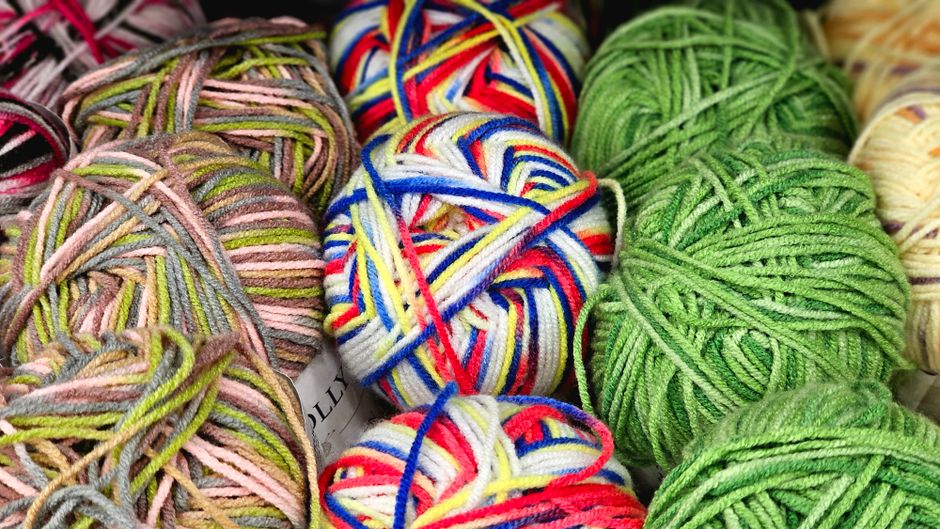
For a graphghan, 8-15 colors is the practical range. Under 8 colors produces a flat, posterized look that loses facial detail. Over 20 colors dramatically increases the number of color changes per row and the yarn management complexity. Start with 12 colors for your first project. Look at the palette preview: you want to see distinct, recognizable color regions — the face, the background, the fur detail zones. If everything looks muddy and blended, boost contrast in the settings. If there are too many similar shades that are hard to distinguish as stitches, reduce color count slightly. Yarn considerations: for a 120×150 blanket, 12 colors at $8-12 per skein = $96-144 in yarn. Per-color yarn estimates from ArtPatt tell you exactly how many skeins of each color to buy. Always round up on the dominant color (usually the background). Buy all skeins in the same dye lot in one trip.
Reading and Setting Up the Pattern
The ArtPatt PDF chart breaks the pattern into 50×50-stitch sections. Each section shows row and column numbers. Work from bottom to top — row 1 is the bottom of the blanket. Each row is read alternately: odd rows right to left, even rows left to right (this is how the crochet rows travel for a right-handed crocheter). Each square represents one SC stitch in the color shown. Print the chart sections and tape them in order, or display on a tablet. Use a magnetic board with a row marker — a ruler or strip of paper that you move up one row at a time as you complete each row. Mark off completed rows with a pencil. Prepare yarn bobbins before starting each row: look ahead at the row you're about to stitch and wind separate small bobbins for each color that appears. This prevents yarn tangling and makes the color changes manageable.
How to Stitch Colorwork Rows
Work every stitch as a standard SC, but change colors at each color boundary. The color change technique: on the last SC before a color change, insert hook, pull up loop (2 loops on hook), drop old yarn, pick up new yarn, pull through both loops. The new color starts cleanly on the next stitch. Do not carry unused yarn across the back (this is intarsia technique, not stranded). Each color gets its own bobbin that hangs at the back of the work. When you need a color again after a gap, bring it back into play from where it's hanging. Secure the hanging bobbins loosely — you don't want them getting pulled through the work. Weave in ends as you go rather than leaving them all for the end — a 120×150 blanket can generate 400+ ends if you leave them all. Weaving in 5-10 ends after each work session is much less overwhelming than 400 at the end.
Finishing: Blocking and Displaying
When all rows are complete: wet-block the blanket. Fill the bathtub with cool water, submerge the blanket, gently squeeze (do not wring), drain, and press against the side to remove most water. Lay flat on foam blocking tiles or on a dry towel and pin to shape if needed. Allow 24-48 hours to dry completely. Blocking is especially important for graphghans — the wet blocking evens out the tension variations from multiple color changes and dramatically improves how the pattern reads. Before blocking, the image can look slightly uneven and the color regions can look ragged at the edges. After blocking, the image sharpens noticeably. Add a border if desired: a simple SC border in a solid color frames the image and gives the edges a clean finish. One round of SC all around, with three SC into each corner, is the standard. For display: fold in thirds and display on a ladder shelf, hang on a wooden dowel (stitch loops at the top edge), or present in a large gift box folded into a visible square showing the center portrait.
Caring for a Finished Graphghan
A graphghan is a real blanket meant to be used, washed, and touched — not a wall art piece. Proper care keeps the colors vibrant and the fabric soft for years. Washing: machine wash on a gentle cycle in cool or cold water. Use a color-safe, gentle detergent — avoid anything with bleach or optical brighteners as these fade the yarn colors over time. Acrylic yarn (the most common choice for graphghans) is machine-safe and dries quickly. Wool or wool-blend yarn should be washed in cool water on the most delicate cycle or hand-washed, then dried flat. Drying: tumble dry on low heat or air dry flat for best results. High heat can cause acrylic yarn to stiffen. For very large blankets, use the dryer sparingly and remove slightly damp to air-finish. Pilling: all crochet fabric develops some pilling over time from abrasion. Use a fabric shaver or sweater stone on pilled areas every few months. Pilling does not damage the blanket and is easily removed. Storage: fold or roll and store in a breathable cotton bag away from direct sunlight if the blanket will not be used for extended periods.
Making a Graphghan as a Gift
A graphghan portrait is one of the most personal and impressive handmade gifts possible. For a gift, plan 8–16 weeks of working time from start to finish for a standard throw — this accounts for real life interruptions and allows time for blocking and any border finishing. Choose a photo of the recipient's pet, family member, or a subject they love. Get the highest resolution version of the photo available — ask for the original file if using someone else's photo, not a cropped screenshot. Keep the project secret: do not mention the project in detail, as unfinished crochet photos are recognizable once someone knows what they are looking at. For presentation: fold the finished blanket around a rolled piece of foam and secure with a ribbon so the recipient unrolls it to reveal the portrait. A hand-written note explaining the stitch count and hours invested gives context that makes the gift more meaningful — most non-crafters have no idea how much time a graphghan requires.
Related Articles