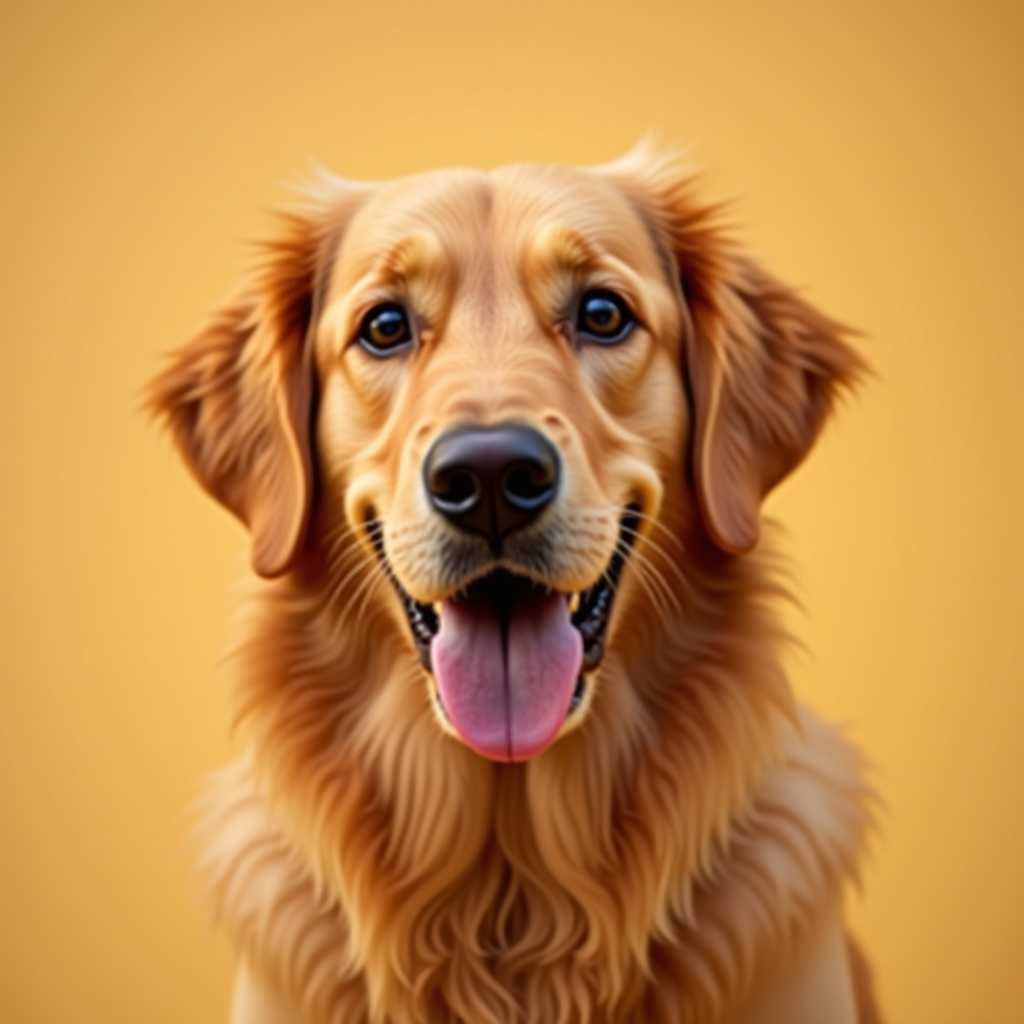
Your photo
Turn Any Photo, Picture, or Image Into a
Knitting Chart
Upload any photo, picture or image and get a knitting chart — stockinette, Fair Isle or intarsia. Free.
Free to use · No sign-up
What You Get from One Photo
This is the chart ArtPatt made from the photo above: 60 × 60 knitting chart in 10 colors.
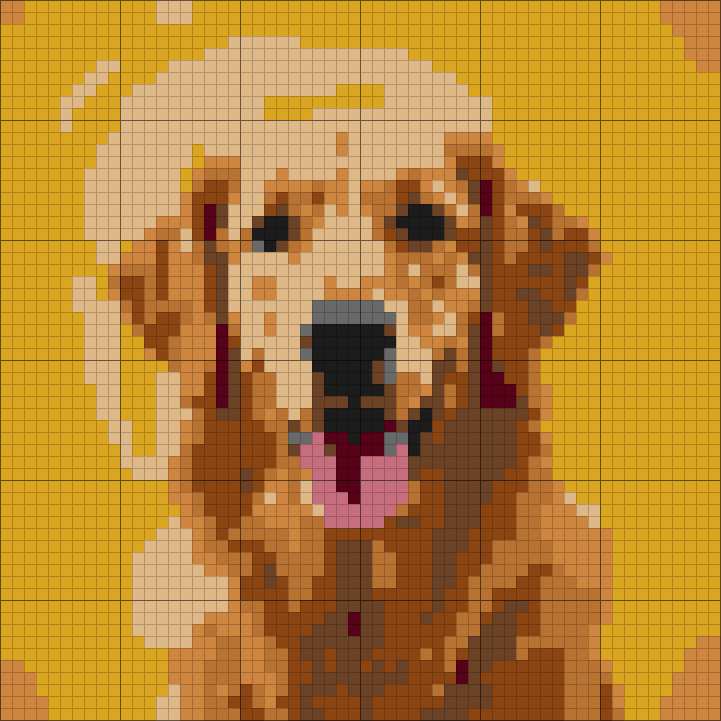
Yarn colors matched
Each color in the picture is matched to a yarn shade and listed in the legend.
Written rows, not just a grid
Every row is written out as color runs, so you can work from the list instead of counting squares.
Balls counted per color
Stitch counts are turned into how much yarn each color needs.
Color legend from this chart
- Goldenrod1 ball
- Tan1 ball
- Saddle Brown1 ball
- Copper1 ball
- Peru1 ball
- Walnut1 ball
+ 4 more colors in the full legend
From Knitting Chart to Finished Piece
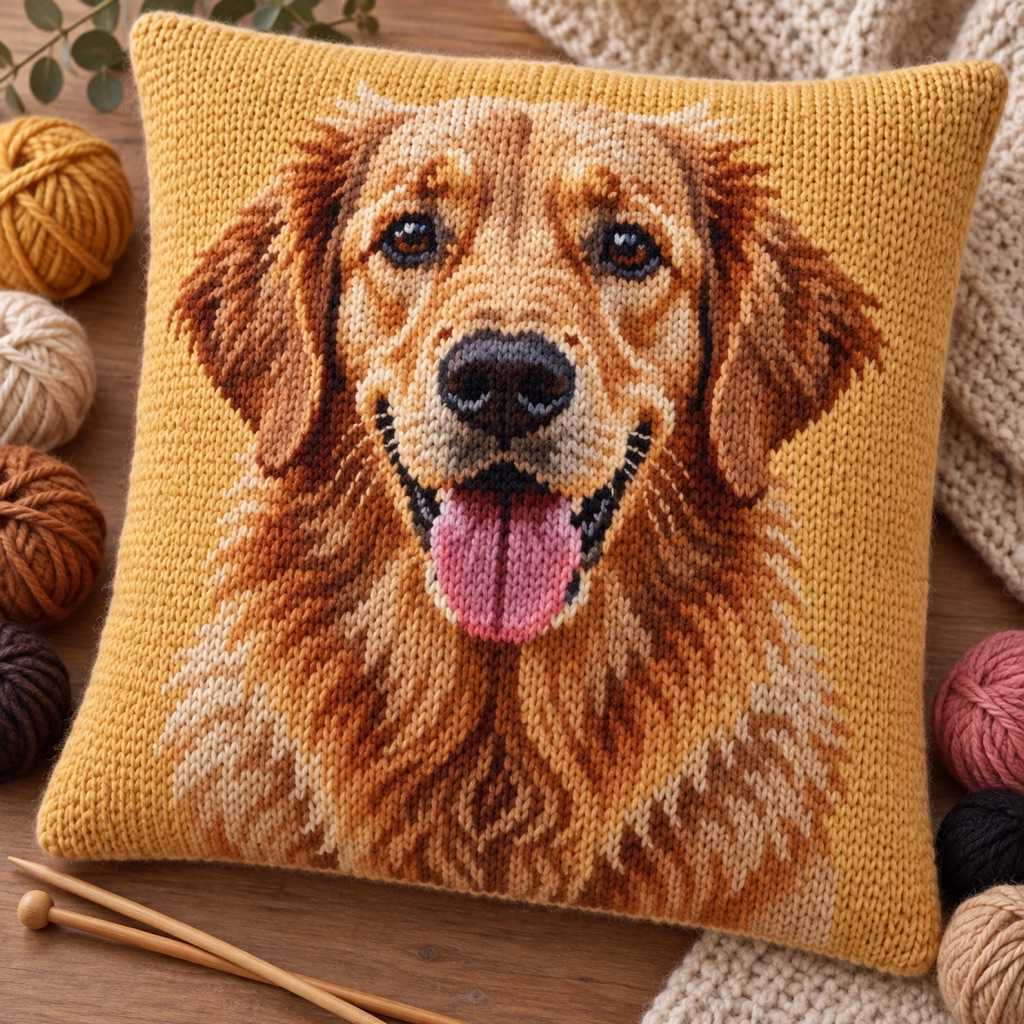
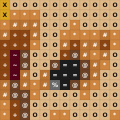
The same few squares, as they sit on the chart and as they look once worked.
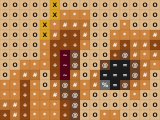
On the chart
- One square, one color, one symbol
- Rows and columns are numbered in the PDF
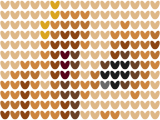
Knitted in stockinette
- Each square of the chart is one V-shaped stitch
- Knit stitches are wider than tall, and the chart accounts for it
- Read right-side rows right to left
How it works
Upload Your Photo
JPEG, PNG, or WEBP. Best results: close-up subject with a plain or blurred background. Crop tightly. For dark subjects, boost brightness and contrast in the sliders so tonal detail survives the color reduction.
Choose Technique and Stitch Count
Intarsia for photos with many colors — each region uses its own bobbin, no floats. Fair isle for 2–5 color geometric patterns with back floats. Stockinette single-color for line-art conversions. Set stitch count: 100 wide is a typical sweater panel, 140+ is a blanket.
Set Colors and Confetti Reduction
10–14 colors for intarsia portraits. 2–5 total colors for fair isle. Set confetti reduction to Medium to merge isolated single-stitch changes. The live preview updates as you tune brightness, contrast, and color count.
Preview and unlock the chart
Free: full browser preview. Pro ($6.99/month or $39.99/year): HD PNG chart plus printable PDF with color legend, per-color yarn quantities, and sectioned chart pages for large pieces.
Why ArtPatt for Photo to Knitting
Knitted photo charts have challenges that graphic or pixel-art charts don't — these features target them directly.
1.3:1 Row-to-Stitch Ratio Correction
Stockinette knit stitches are wider than tall — about 1.3 rows per stitch column at typical worsted gauge. Without correction your chart will knit up vertically compressed and everything looks squashed. ArtPatt stretches the source image vertically before rasterization so the resulting chart produces the correct proportions in the finished fabric. You chart the right number of rows, and the photo reads true.
Confetti Reduction
Photos generate far more single-stitch color islands than clean graphic art. In intarsia each island is a separate bobbin and two ends to weave in; in fair isle each one is a snagging float. Medium confetti reduction removes 60–80% of isolated color changes while preserving the main shapes, facial features, and color gradients — the chart is dramatically more knittable without losing what makes the photo recognizable.
CIEDE2000 Color Matching
ArtPatt matches photo colors to your yarn palette using CIEDE2000 perceptual distance, not simple RGB distance. This correctly handles the warm-to-cool gradients in skin tones, the near-black distinctions in dark fur, and the subtle greens and blues in landscapes that RGB distance lumps together. The yarn colors the tool picks look right once knit.
Per-Color Yarn Estimates
The stats panel shows meters and skeins needed per color at your chosen yarn weight and gauge. Estimates include fragmentation overhead — the extra yarn consumed when a color appears in many small scattered regions instead of one large block. Intarsia patterns with 10+ colors fragment heavily, so this overhead matters.
Brightness and Contrast Controls
Dark photos are the hardest case for any quantizer — all the dark tones collapse into a single color and detail vanishes. Boost brightness +15–25 and contrast +20–30 before generating to separate dark fur or hair tones into usable bands. The preview updates live and the adjustments apply only to pattern generation, not the original image.
Multiple Knitting Techniques
Intarsia handles photos with many colors (10+) — each block uses its own bobbin with no floats on the back. Fair isle carries 2 colors per row as floats — use for 2–5 color geometric or Nordic-style designs. Stockinette single-color conversions produce a knit/purl or lace-style texture chart from a high-contrast photo. Same underlying photo-to-chart engine across all three.
Intarsia vs Fair Isle: Choosing Your Technique
Intarsia is the right choice for photo portraits and any design with more than about 5 colors. Each color region uses its own bobbin or butterfly, and when you reach a color boundary you twist the two yarns together and carry on with the new color. There are no floats on the back, so the finished fabric is the same thickness everywhere and any number of colors is allowed. The cost is ends — every color region produces two ends that need weaving in, which is why confetti reduction matters so much for intarsia from photos.
Fair isle carries two colors across every row, with the unused color floating on the back of the work. This limits fair isle to 2 colors active per row (occasionally 3 with careful management) and to short float lengths — usually no more than 5 stitches before catching. That makes fair isle unsuitable for full photographic portraits but excellent for repeating geometric motifs, Nordic-style bands, and two-tone silhouettes. ArtPatt's 2–5 color conversions work well for fair isle source material.
Sizing a Knit Photo Chart
Stitch count drives both finished dimensions and image resolution. At worsted weight stockinette gauge of about 20 stitches per 10cm, 100 stitches = 50cm (20in) wide — a typical sweater front or the central panel of a pillow. 140 stitches = 70cm (28in), approaching a small blanket or a large pillow. 200 stitches = 100cm (40in), a full lap blanket. More stitches = more photographic detail but proportionally more rows and vastly more knitting time.
For a sweater panel, plan around 100 stitches wide and roughly 130 rows tall for a cropped portrait — ArtPatt's ratio correction handles the row count from your chosen stitch count automatically. For a blanket, 140–180 stitches wide reads well across the room and keeps knit time in a realistic range. Always knit a gauge swatch in your chosen yarn and needles before committing to a finished dimension — the generator's dimensions assume standard worsted gauge unless you customize.
Photo to Knitting Pattern FAQ
Upload to ArtPatt, select Knitting, choose technique (intarsia for photos, fair isle for geometric 2–5 color designs), set stitch count, and Generate. The 1.3:1 stockinette ratio is applied automatically. Free: full browser preview. Pro: PDF with yarn estimates.
Intarsia for most photos — no floats, unlimited colors, just yarn ends to weave in at region boundaries. Fair isle only if your source reduces cleanly to 2–5 colors and is more geometric than photographic.
8–14 for intarsia photo portraits. 2–5 for fair isle. Under 6 looks flat for a photo; over 16 becomes very difficult to manage bobbins and weaves.
Stockinette stitches are wider than tall (roughly 1.3 rows per stitch of width at worsted gauge). ArtPatt applies this correction automatically, so the chart is already stretched vertically to produce correct proportions in the finished knit.
It merges isolated single-stitch color changes with surrounding colors. Essential for knitted photo charts — each island in intarsia is two ends to weave in; in fair isle it's a one-stitch float that distorts the fabric. Medium typically removes 60–80%.
The Pro PDF lists per-color yarn in meters and skeins at your chosen gauge. Fragmentation overhead is built in so small-region colors get accurate estimates. Add one extra skein of your background color as a margin.
Yes. 1 pattern project with a full browser preview is free. Pro ($6.99/month or $39.99/year) unlocks HD PNG and printable PDF with legend, yarn quantities, and sectioned chart pages.
Related Knitting Pattern Tools
Knitting Pattern Generator
Full guide to generating knitting charts from any image, with stitch ratio and gauge controls.
Fair Isle Knitting Pattern Generator
2–5 color carried-yarn fair isle charts with float length warnings.
Intarsia Knitting Pattern Generator
Many-color intarsia charts with bobbin counts and per-region yarn estimates.
Knitting Gauge Calculator
Convert between gauge, stitch count, and finished dimensions.
Knitting Needle Size Chart
US, UK, and metric knitting needle size conversions.
Yarn Weight Converter
Convert between DK, worsted, aran, chunky and other yarn weight systems.