Estimate Cut Length for Every Macrame Cord
Use finished length, working cord count, and a planning multiplier to estimate cut length per cord and how much total macrame cord you should buy before starting.
Macrame Cord Calculator
Estimate cut length per cord and total meters needed for a macrame project based on finished length, working cords, and your planning multiplier.
Formula: cut length per cord = finished length × multiplier × waste
Results
Cut Length per Cord
3.4 m
336 cm per cord
- Total Cord Needed
- 40.3 m
- Bundles to Buy
- 1
This is a planning tool for macrame builds. Different knots consume cord differently, so use a higher multiplier for dense knotting and a lower one for more open work.
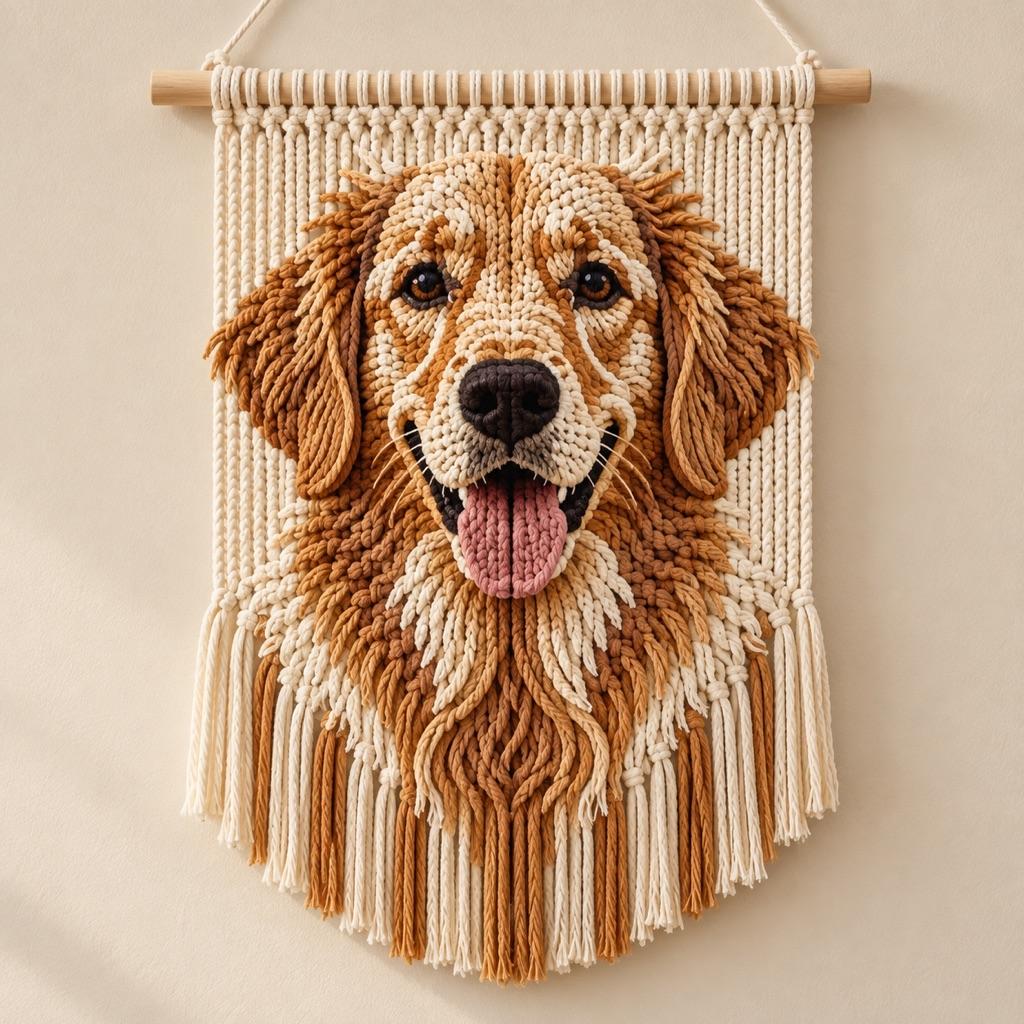
Turn a photo into a real pattern
Once the cord estimate works for your project, generate the knot-friendly image grid in ArtPatt.
Open Macrame GeneratorWhy Macrame Cord Math Gets Expensive Fast
Macrame projects can consume much more cord than new makers expect because the cord folds, knots, and shortens dramatically as you work. A design that looks modest on the wall can still require a surprisingly large amount of material.
This calculator helps you plan cut length per cord based on finished length and a multiplier that reflects how dense your knotting will be. It is useful for wall hangings, plant hangers, and other photo-inspired macrame builds.
It is especially helpful before generating the final pattern, because it tells you whether the design is realistic with the cord bundles and colors you can actually buy.
How to Choose a Cord Multiplier
Use a lower multiplier for more open, airy designs and a higher multiplier for dense knotting or pieces with lots of vertical structure. If you are unsure, it is safer to overestimate than to run out of cord partway through.
The total meter result helps with shopping, while the cut-length-per-cord result helps with setup on your dowel or work surface before you begin.
Macrame Cord Calculator FAQ
Because knotting consumes length quickly, and the cords are often folded or mounted before they are tied. The working cord must be much longer than the final visible section.
It is the ratio between finished length and cut length. Denser knotting generally needs a larger multiplier than loose or open work.
Yes. Waste allowance helps cover trimming, mistakes, and the uncertainty that comes with different knot styles and tension.
As a worked example: a 60 cm finished hanging with 20 mounted cords at the standard 3.5× factor needs cords cut to about 210 cm each — roughly 42 m of cord, or about 50 m once you add a 20% buffer. The calculator runs this for your own dimensions.
Open, airy designs run about 2.5–3× the finished length, average square-knot work 3.5–4×, and dense or heavily textured knotting 5–6×. When in doubt round up — leftover cord becomes fringe and tassels, but running short mid-piece means a visible join.
3 mm single-twist cotton is the all-round choice for wall hangings and the easiest to fringe. Use 4–5 mm for chunky statement pieces and plant hangers, and 1.5–2 mm for jewelry and fine detail work.
You can splice or knot in new cord, but the join usually shows on the front of the work. It is cheaper in practice to overbuy by 20% — which is why this calculator builds the waste allowance into the shopping total.