Quilt Calculator: Finished Size and Fabric Yardage
Enter your block size and layout. The calculator works out the finished quilt size and how much fabric to buy for the borders, sashing, backing, binding, and batting.
Quilt Calculator
Enter the finished block size, how many blocks go across and down, and any sashing or border. You get the finished quilt size and the yardage for borders, sashing, backing, binding, and batting.
Formula: quilt width = blocks across × block + sashing between blocks + 2 × border; backing = quilt + 4" per side; binding strips = (perimeter + 10") ÷ 40"
Results
Finished Quilt Size
56" × 68"
142 × 173 cm — closest standard size: Lap / throw.
- Blocks
- 20
- Cut each block to 12½" unfinished.
- Backing
- 3 ⅝ yd (3.4 m)
- Backing 64" × 76" (4" extra on every side). 2 panels of 64", sewn with horizontal seams.
- Binding
- ½ yd (0.5 m)
- 7 strips × 2½" across the width of fabric.
- Border
- ¾ yd (0.7 m)
- 6 strips cut 4½" wide, pieced end to end.
- Sashing
- No sashing
- Batting
- 64" × 76"
- Packaged size that fits: Twin.
Yardage is rounded up to the next ⅛ yard and assumes 40" usable from 42" fabric. Blocks themselves depend on the block pattern, so cut them from the pattern instructions.
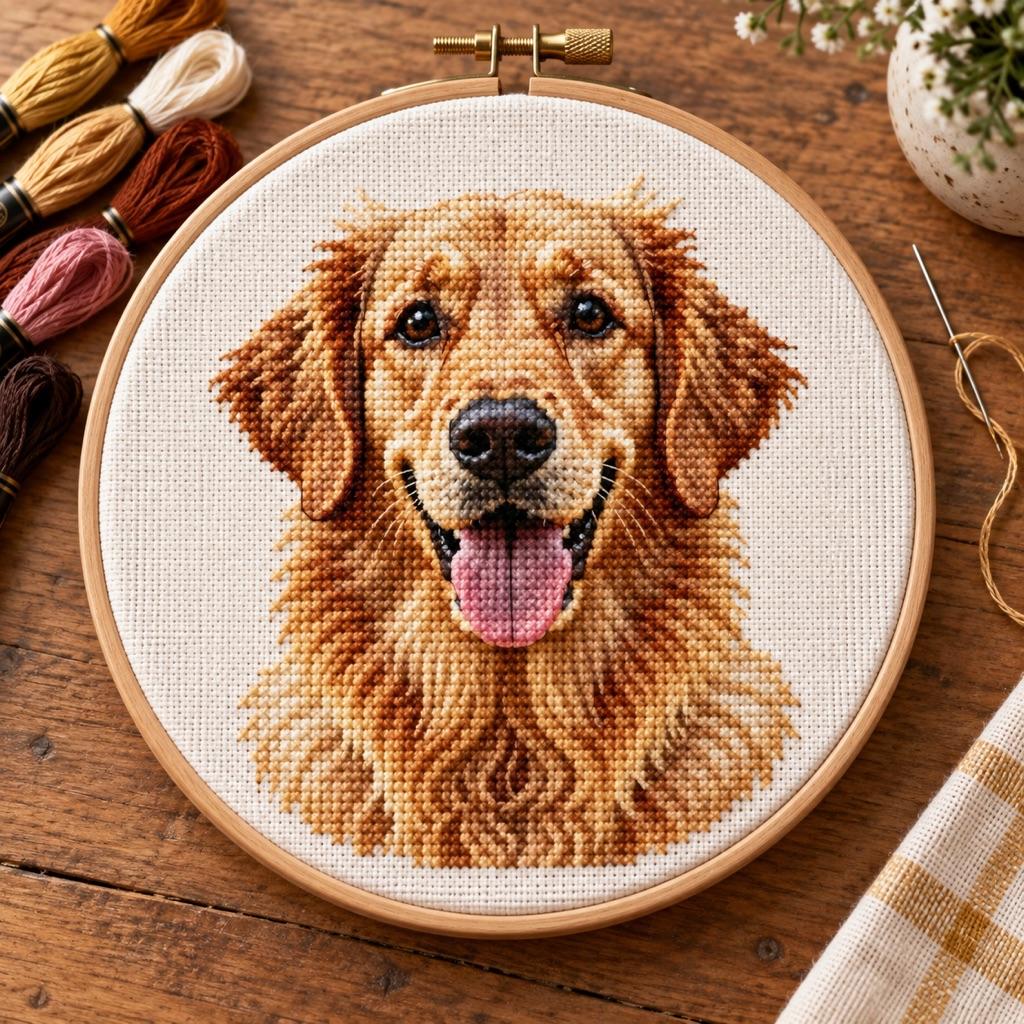
Turn a photo into a real pattern
Upload a photo or drawing and get an embroidery pattern for a quilt label, a memory block, or an appliqué motif.
Open Embroidery GeneratorStandard Quilt Sizes and What They Take
Bed quilts are sized as the mattress plus a 12" drop on three sides and 10" to tuck under the pillows. Backing assumes 42" cotton with 4" extra per side; binding is 2½" strips.
| Quilt | Inches | Centimetres | Mattress | Backing | Binding |
|---|---|---|---|---|---|
| Baby / crib | 36 × 52 | 91 × 132 | 28 × 52 crib mattress | 2 ½ yd | ⅜ yd |
| Lap / throw | 50 × 65 | 127 × 165 | — | 3 ¼ yd | ½ yd |
| Twin | 63 × 97 | 160 × 246 | 39 × 75 | 5 ⅞ yd | ⅝ yd |
| Twin XL | 63 × 102 | 160 × 259 | 39 × 80 | 6 yd | ⅝ yd |
| Full / double | 78 × 97 | 198 × 246 | 54 × 75 | 7 ¼ yd | ⅝ yd |
| Queen | 84 × 102 | 213 × 259 | 60 × 80 | 7 ¾ yd | ¾ yd |
| King | 100 × 102 | 254 × 259 | 76 × 80 | 9 yd | ⅞ yd |
| California king | 96 × 106 | 244 × 269 | 72 × 84 | 8 ¾ yd | ⅞ yd |
How the Quilt Calculator Works
A quilt top is blocks plus whatever sits between and around them. The width is the number of blocks across times the finished block size, plus the sashing between blocks, plus a border on each side. The length works the same way down the quilt.
Backing is cut 4" bigger than the top on every side so the quilt can be loaded on a frame and squared up afterwards. On 42" cotton you usually have 40" of usable width, so anything wider than 32" needs two or more panels sewn together. The calculator tries seams down the quilt and across it and picks the one that uses less fabric.
Binding is cut in 2½" strips across the width of fabric. You need enough strips to go around the perimeter plus about 10" for joining the strips and turning the corners.
Picking a Quilt Size
Start from what the quilt is for. A baby quilt is around 36" × 52", a lap quilt or throw 50" × 65", and bed quilts start from the mattress: add 12" on each side you want to hang down and 10" at the top if the quilt goes over the pillows.
Then choose a block size that divides the target nicely. Twelve-inch blocks are the most common; with a border you can close most of the remaining gap without changing the block count.
Quilt Calculator FAQ
Multiply the finished block size by the number of blocks across, add the sashing between the blocks, and add the border twice (left and right). Do the same down the quilt for the length. Use finished sizes — cut sizes include ½" of seam allowance.
A 60" × 72" throw usually takes about 4 yards of 42" fabric for the backing, ½ yard for binding, and the top fabric depends on the block pattern. The calculator gives backing, binding, border, and sashing yardage for your exact layout.
4" on every side (8" wider and 8" longer) is the standard, and what most longarm quilters ask for. For hand or domestic machine quilting 2–3" per side is enough.
Seven across and eight down — 56 twelve-inch blocks — make 84" × 96"; a 3" border brings that to 90" × 102", a full queen with drop. With a 6" border, 6 × 7 = 42 blocks give 84" × 96".
Add the four sides, add 10", and divide by 40 (the usable width of 42" fabric). Round up. A throw needs about 7 strips, a queen about 10.
Related Tools and Pages
Quilt Backing Calculator
Backing yardage, seam direction, and panel lengths for any quilt top.
Rag Quilt Calculator
Cut square size, square count, and flannel yardage for every layer.
Hexagon Quilt Calculator
How many hexagons fit your quilt, their size, and the fabric to cut them.
On Point Quilt Calculator
Diagonal, block count, and setting and corner triangle cuts for on-point layouts.
T-Shirt Quilt Calculator
Layout, finished size, interfacing, sashing, and backing for a memory quilt.
Charm Pack Quilt Calculator
How many charm packs, layer cakes, or mini charms a quilt size takes.
Embroidery Pattern Generator
Turn a photo or drawing into an embroidery pattern for a quilt label or a memory block.