Knitting and Crochet Increase / Decrease Evenly Calculator
“Decrease 12 stitches evenly across the row” — enter what you have and what the pattern asks for, and get the row written out with the changes spread out, for knitting or crochet, flat or in the round.
Increase or decrease evenly
Enter the stitches you have and how many to add or remove. You get the row written out with the changes spread as evenly as the numbers allow.
Your row
Row: 84 sts → 72 sts
K4, k2tog, [k5, k2tog] 8 times, [k4, k2tog] 3 times, k4. (72 sts)
- Decreases
- 12
- Stitches between them
- 4–5
Maximum for 84 stitches: 42 decreases in one row.
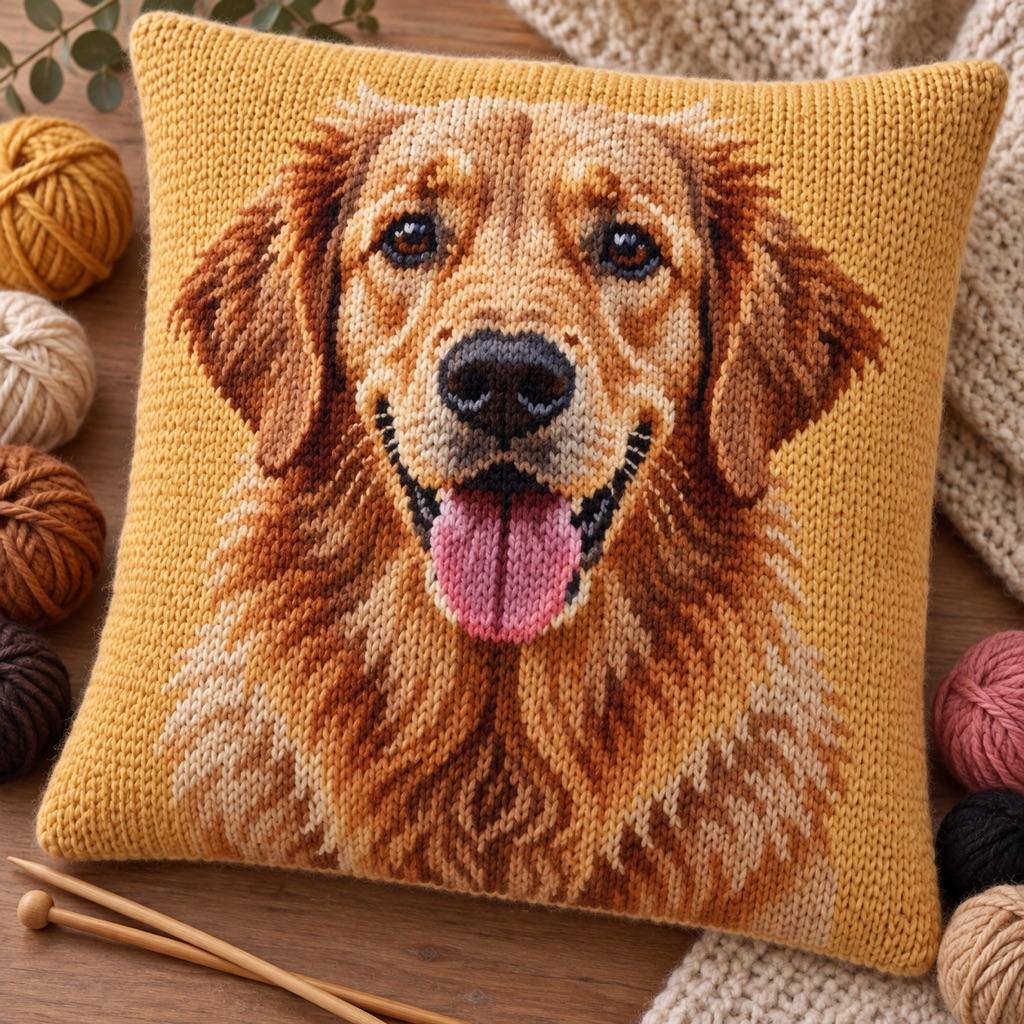
Turn a photo into a real pattern
Want a colorwork chart instead? Turn any photo into a knitting or crochet pattern with yarn estimates.
Open Knitting GeneratorHow decreasing and increasing evenly works
Every decrease uses two stitches and leaves one, so the stitches you can spread out are what is left after the decreases take theirs. Decreasing 12 from 84 stitches: the 12 k2togs use 24 stitches, leaving 60 plain stitches to share out. Worked flat there are 13 gaps — one before each decrease plus one after the last — so most gaps get 4 or 5 stitches: K4, k2tog, [k5, k2tog] 8 times, [k4, k2tog] 3 times, k4. In the round there is no row end, the 60 stitches split into 12 gaps of exactly 5, and the round is simply [k5, k2tog] 12 times.
Increases work the same way with one difference. A make-one or yarn over is worked between stitches and uses none, so all the existing stitches are shared out. A kfb or a crochet increase is worked into a stitch and turns one stitch into two, so that stitch is no longer available as a plain one. The calculator switches the arithmetic for you when you pick the increase.
Numbers rarely divide evenly, which is why the written row has two lengths of gap. The longer gaps go to the middle of a flat row so both edges look the same; for a garment piece that will be seamed, that also keeps the decreases clear of the seam allowance.
Which stitches to use
Knitting: k2tog slants right and ssk slants left; for a decrease row spread across the fabric either is fine, and many knitters alternate them. M1 (lifted bar) is nearly invisible, kfb leaves a small bar on the right side, and a yarn over makes a deliberate hole. On a stockinette sweater body, M1 is the usual choice.
Crochet: sc2tog (or hdc2tog, dc2tog) is the standard decrease; the invisible decrease, worked through the front loops only, hides better in amigurumi. Increase by working 2 stitches into the same stitch. When you increase every round of a flat circle or a hat crown, start each round's pattern at a different point; stacking the increases in the same place is what turns circles into hexagons — see why amigurumi comes out pointy.
Changing a whole pattern to a new gauge rather than one row? Convert every count with the crochet gauge converter, or start from the right number with the cast-on calculator.
Increase and Decrease Evenly FAQ
Subtract twice the number of decreases from your stitch count to get the plain stitches, then divide them over the gaps: decreases + 1 gaps when working flat, one gap per decrease in the round. Put the leftover stitches into some of the gaps. For 84 stitches decreased by 12 flat: 60 plain stitches over 13 gaps — eight gaps of 5 and five of 4.
With M1 or yarn overs, divide your stitches by the number of increases + 1 (flat) or by the number of increases (in the round) and make one stitch in each gap. With kfb or a crochet increase, each increase uses one stitch, so subtract the increases first and divide what is left.
Half your stitches: every decrease needs two. Decreasing 40 from 80 is k2tog all the way across. If a pattern needs more, decrease over two rows.
A flat row has two ends, so there is one more gap than there are changes and the row starts and finishes with plain stitches. A round has no ends: the last gap runs into the first, so there are exactly as many gaps as changes.
Yes. Pick hdc or dc and the row is written with hdc2tog or 2 dc in the same stitch; the spacing is the same because every crochet stitch counts as one stitch.
Related Tools and Pages
Cast-On Calculator
How many stitches to cast on for a width at your gauge.
Crochet Gauge Converter
Rescale a pattern's stitch and row counts to your gauge.
Stitch Counter
Track rows, repeats and stitch counts while you work.
Crochet Hat Size Chart
Hat circumference, height and starting stitches by age.
Knitting Needle Size Chart
US, UK and metric needle sizes with yarn weights.