Your photo
Turn a Photo into a
Needlepoint Chart
Upload a photo, pick a mesh count, and get a needlepoint symbol chart with DMC colors and the finished size.
Free to use · No sign-up
Needlepoint previews stay bold — canvas mesh is coarser than Aida, so detail has to survive the count.
What You Get from One Photo
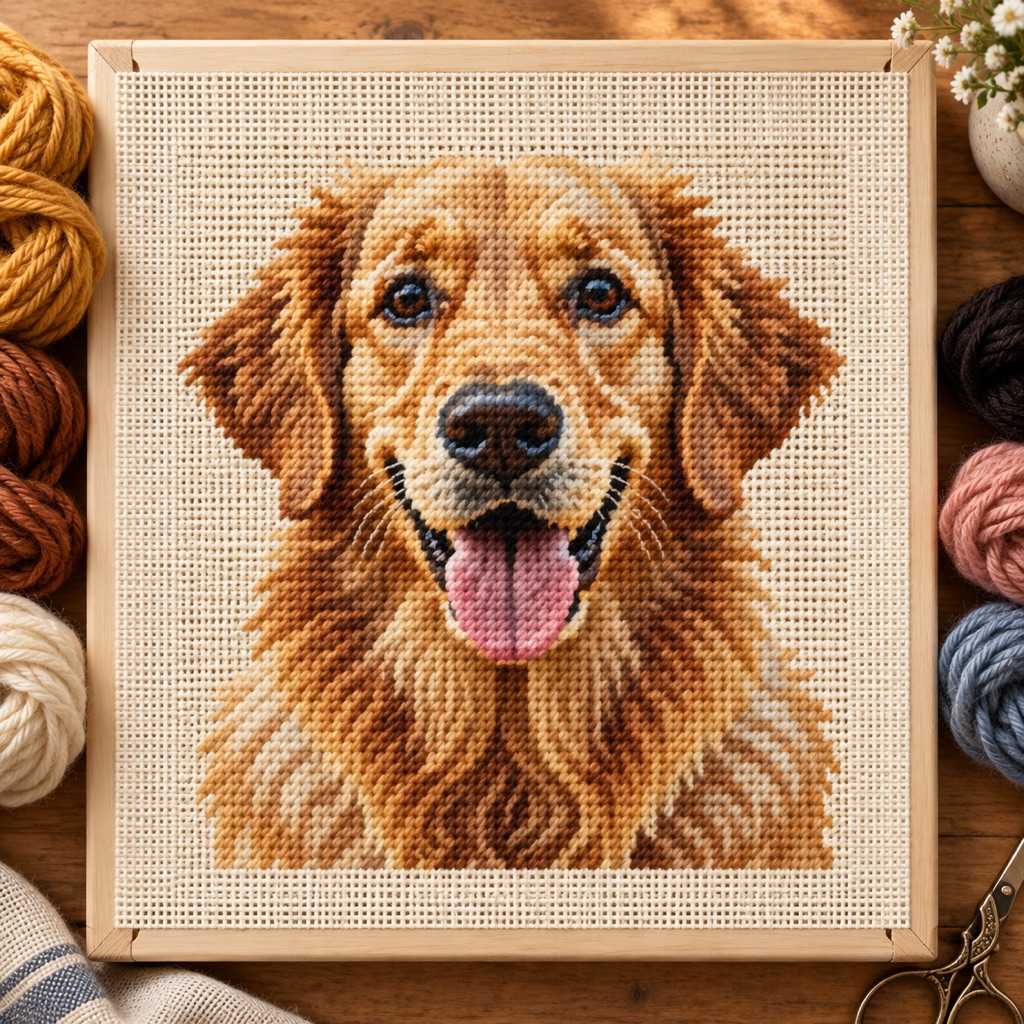
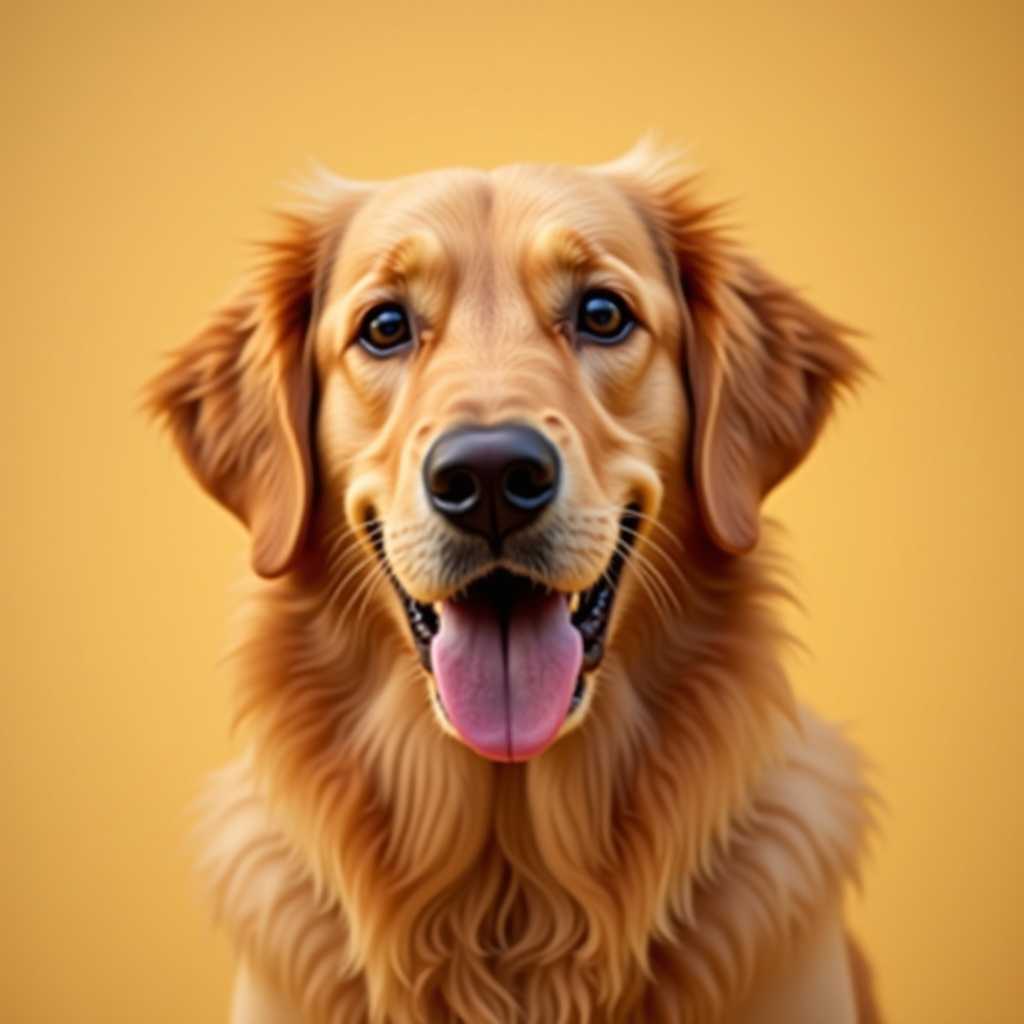
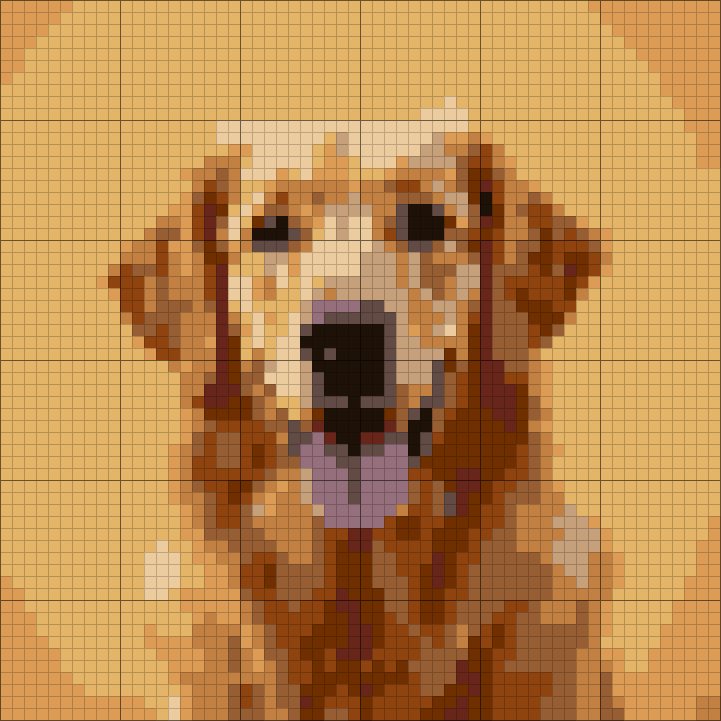
This is the chart ArtPatt made from the photo above: 60 × 60 needlepoint chart in 12 colors.
A DMC number for every color
Colors are matched to 489 DMC threads, so the legend doubles as your shopping list.
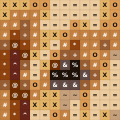
A symbol in every cell
The printed chart runs across pages with numbered rows and columns and overlapping edges, so you never lose your place.
Skeins counted for you
Each color's stitches are worked out into how much thread to buy.
Color legend from this chart
- DMC 7287 skeins
- DMC 9773 skeins
- DMC 4343 skeins
- DMC 9763 skeins
- DMC 4002 skeins
- DMC 3002 skeins
+ 6 more colors in the full legend
From Needlepoint Chart to Finished Piece
The same few squares, as they sit on the chart and as they look once worked.
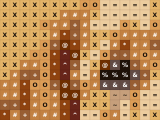
On the chart
- One square, one color, one symbol
- Rows and columns are numbered in the PDF
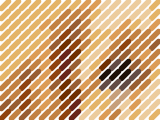
Worked in tent stitch
- Each square of the chart is one slanted stitch over a canvas intersection
- All stitches slant the same way
- The canvas mesh count sets the finished size
Built for Counted Canvas Work
Needlepoint runs on the same counted-chart engine as cross-stitch, with the parts that are actually different to the craft set correctly.
Mesh Count Sets the Piece
13 mesh is the standard mono canvas most designs and kits are built around. 18 mesh is petit point: the same chart comes out considerably smaller and holds much finer detail, at the cost of speed. 10 and 12 mesh work up fast, take thicker thread, and suit bold designs, pillows, and first projects. 14 mesh sits between the two and is widely sold. Pick the count for the finished size you want, then let the chart follow.
One Diagonal per Intersection
A tent stitch covers a single canvas intersection with one slanted pass — there is no half of a cell to fill. So this generator does not produce quarter or three-quarter stitches the way the cross-stitch one does: every cell on the chart is one whole stitch, which is exactly what the canvas can take.
Charted in DMC
Counted needlepoint is charted in DMC numbers, and wool is matched back to that palette when you shop. The generator matches every color perceptually across the full 489-color DMC range, assigns a symbol per color, and prints a legend you can carry to the shop whether you stitch it in wool, pearl cotton, or floss.
Three Stitches, One Chart
Continental, basketweave, and half cross look the same from the front and read from the identical grid — what changes is the path on the back. The generator states which you picked, adjusts the thread estimate for it, and prints the technique note with the chart, so a variant choice tells you something real instead of just relabelling the file.
What a Needlepoint Chart Has to Get Right
Needlepoint canvas is sold by mesh — the number of holes per inch — and that number decides the finished piece as much as the design does. 13 mesh mono canvas is the standard: fast enough to finish, fine enough for a recognisable subject, and the count most published designs assume. 18 mesh is petit point, worked with thinner thread for detail work and small pieces. 10 and 12 mesh are the quick end, common for pillows, cushions, and anything meant to be done in a few evenings. A chart is just a grid until you fix the mesh; after that it has a real width and height in inches, which is the number to check before cutting canvas.
The subjects that survive are the ones with structure: animals and pets, florals, monograms and lettering, geometric repeats, landscapes reduced to bold color fields, and Christmas or seasonal motifs. What struggles is the same thing that struggles at any coarse count — soft skin gradients, busy backgrounds, and detail smaller than a couple of stitches. Cutting the color count usually helps more than raising it, because scattered single stitches cost thread changes and read as noise on canvas.
Thread quantity is the honest part. ArtPatt estimates thread from a floss basis of roughly 2cm per tent stitch — a single diagonal is about half a full cross — and reports it against 8m skeins. That is a planning estimate, not a published constant: Persian wool, crewel wool, pearl cotton, and stranded floss all cover a mesh differently, and how many strands you use for your count changes the total again. Use the per-color stitch counts to compare colors against each other, add a margin, and buy from the same dye lot where you can.
Needlepoint vs Cross-Stitch and Plastic Canvas
Needlepoint vs cross-stitch: both are counted, gridded, and charted in DMC, and both use a symbol chart the same way. The difference is the ground and the stitch. Cross-stitch works an X over the woven blocks of Aida and leaves fabric showing between stitches; needlepoint works a single diagonal over the intersections of an open canvas and covers the ground completely. That full coverage is why needlepoint feels solid and upholstered, and why a piece is usually blocked and mounted rather than framed like fabric.
Needlepoint vs plastic canvas: the stitch is the same continental tent stitch, worked one diagonal per intersection. The material is the whole difference. Plastic canvas is a rigid sheet that holds its own shape and gets cut into boxes, coasters, and ornaments; needlepoint canvas is woven and flexible, so a finished piece drapes and needs blocking, stretching, or mounting. If you want something that stands up on its own, that is plastic canvas. If you want a pillow, a cushion, or a framed piece, that is needlepoint.
Needlepoint vs punch needle and latch hook: all three cover a ground completely in thread or yarn, but only needlepoint is counted stitch by stitch from a grid. Punch needle pushes loops through a woven backing with no counting, and latch hook knots pre-cut yarn onto a much coarser rug mesh. A needlepoint chart is a stitch map; the other two are closer to a colored outline you fill in.
Needlepoint FAQ
Yes. 1 upload, generation, and full browser preview and all of its edits are free, with no account required. A $2.99 single-pattern unlock gives you the PNG and printable PDF. Pro ($6.99/month or $39.99/year) unlocks unlimited projects, every export, and every other craft generator.
13 mesh mono canvas is the standard and the safest default — most designs and kits assume it, and it balances detail against how long a piece takes. 18 mesh is petit point: finer detail and a smaller finished piece for the same chart, worked with thinner thread. 10 and 12 mesh work up quickly and suit bold designs, pillows, and beginners. 14 mesh sits in between and is easy to find. Whichever you pick, the generator recalculates the finished size for you before you cut canvas.
Yes — and that is exactly how this generator works. A counted chart is a grid of colors with a symbol per color; needlepoint reads it as one tent stitch per cell instead of one cross per cell. That is why the needlepoint charts here are matched in DMC. Two things change: the finished size, because canvas mesh and Aida count are different scales, and fractional stitches, which a cross-stitch chart may contain and a tent stitch cannot work. Charts generated on this page have no fractional stitches at all, so nothing needs translating.
The stitch is identical — continental, also called tent stitch, one diagonal over one intersection. The material is the difference. Plastic canvas is a rigid mesh sheet that holds its shape, which is why it is used for boxes, coasters, and ornaments. Needlepoint canvas is woven and flexible, so a finished piece drapes and is blocked, stretched, or mounted. Same chart mechanics, very different finished object.
All three read from the same chart and look the same from the front. Continental is the easiest to follow row by row and is the usual way needlepoint is taught. Basketweave runs in diagonal rows and builds a woven texture on the back that supports the canvas, so it distorts the least — the one to use for large filled areas and backgrounds. Half cross uses the least thread and gives the thinnest coverage, but it needs interlock or penelope canvas; on mono canvas the stitches slip out of place.
The generator gives a per-color stitch count and a thread estimate based on roughly 2cm per tent stitch on a floss basis, reported against 8m skeins. Treat it as planning arithmetic rather than a published figure: Persian wool, crewel wool, pearl cotton, and stranded floss all cover a mesh differently, and the number of strands your mesh count needs changes the total again. The stitch counts per color are exact, so they are the reliable part — add a margin on top and buy the same dye lot.
From a photo with clear structure, yes. Needlepoint is worked at 10-18 stitches per inch, so detail smaller than a couple of stitches disappears at any grid size. Pets, florals, monograms, landscapes with bold color fields, and geometric designs convert cleanly; busy backgrounds and soft gradients turn into scattered single stitches. The browser preview shows you honestly which one you have before you buy canvas or thread.
More Counted-Chart Tools
Cross-Stitch Pattern Generator
The nearest sibling — same counted DMC chart, worked as an X on Aida instead of a diagonal on canvas.
Plastic Canvas Pattern Generator
The same tent stitch on a rigid mesh sheet, charted in yarn instead of DMC.
How to Start Needlepoint
Canvas, threads, needles, and the first stitches — the beginner's setup guide.
Needlepoint vs Cross Stitch
Fabric, stitch, thread and the finished size of the same chart on both.
DMC Color Chart
Browse the full DMC range — the palette every chart here is matched against.
Cross-Stitch Size Calculator
The same count-to-finished-size math this generator uses for canvas mesh.
Free to Try — Finished Chart from $2.99
Create and refine 1 needlepoint chart free, with no account required. Unlock when you want the chart to print and stitch from.
Free
Make one pattern free every week.
- 1 free chart project with unlimited edits
- 10/12/13/14/18 canvas mesh
- DMC color matching with symbols
- Full pattern preview in the browser
- No account required
Tax is added at checkout where it applies.